

Dutch FC Is Doing It Right — According to the Researcher Who Studied American Youth Soccer's Biggest Problem
Originally published by NOS (Nederlandse Omroep Stichting) — the Dutch public broadcaster, equivalent to the BBC in the Netherlands. Reported by Valentijn Arends. Translated from Dutch. https://nos.nl/artikel/2620116-bij-voetbalclub-dutch-fc-in-dallas-staat-niet-winnen-maar-speelplezier-voorop
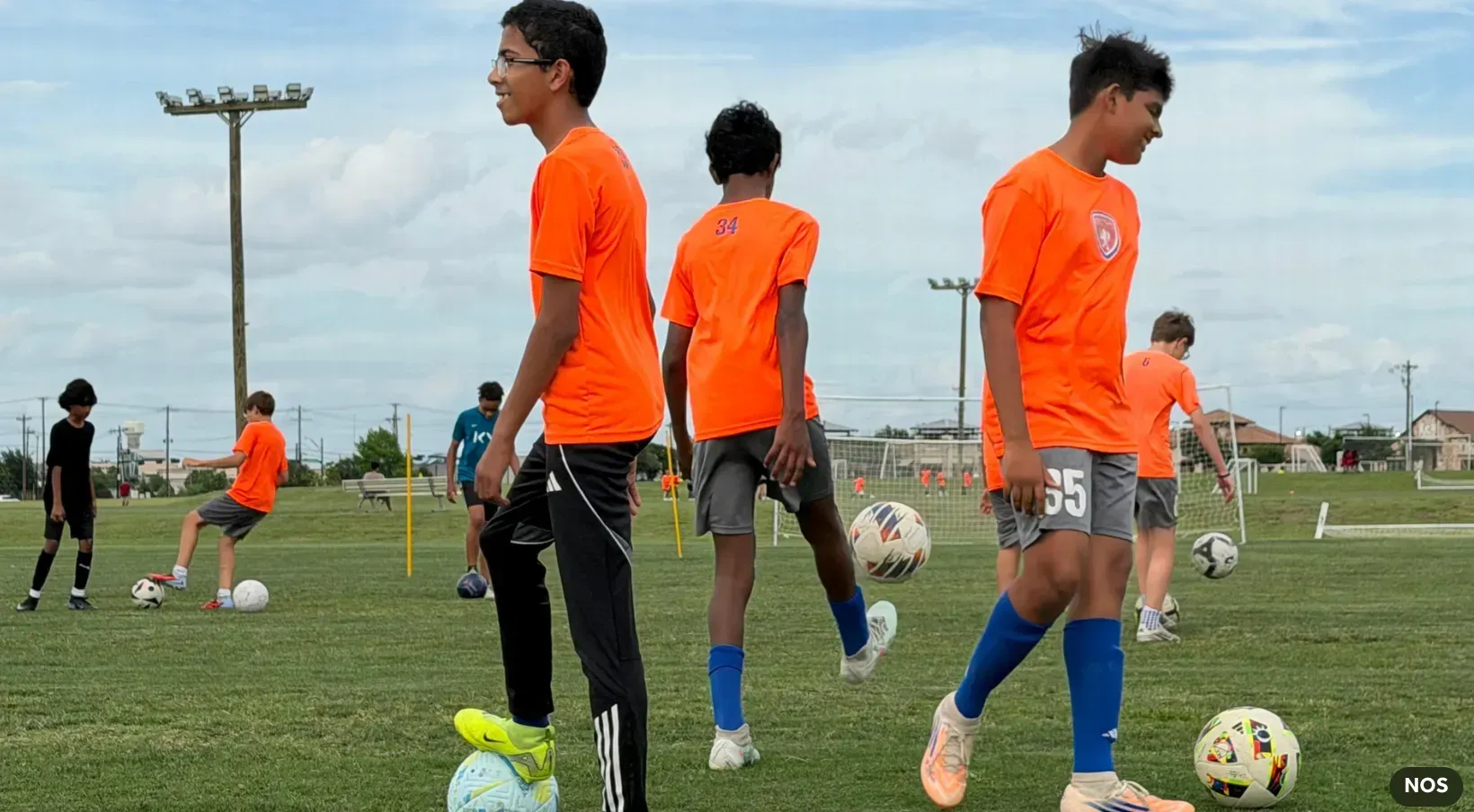
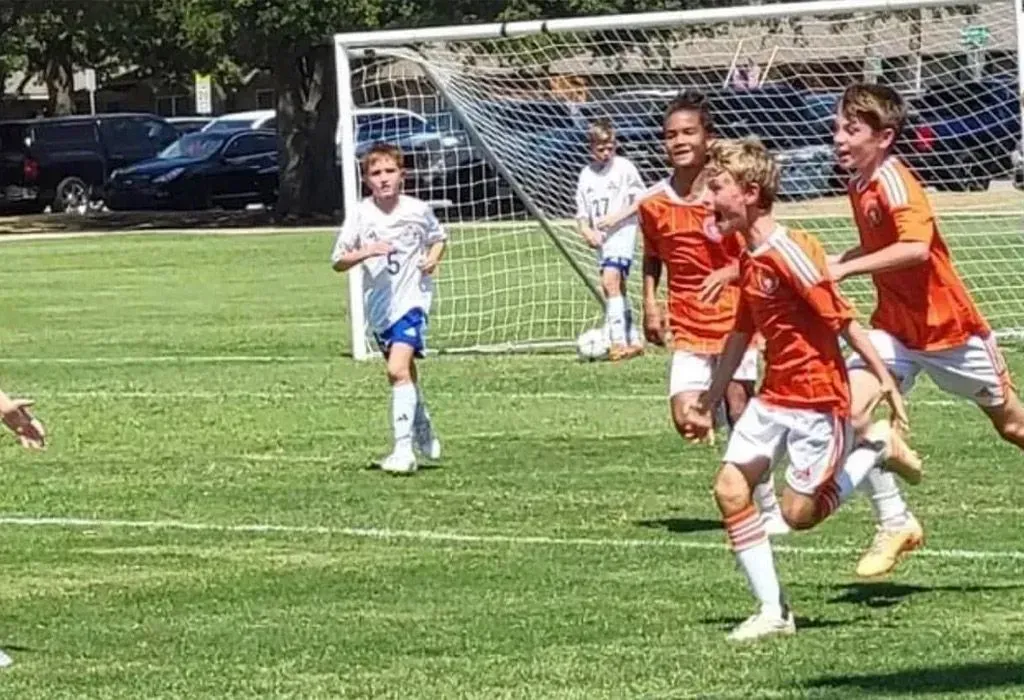
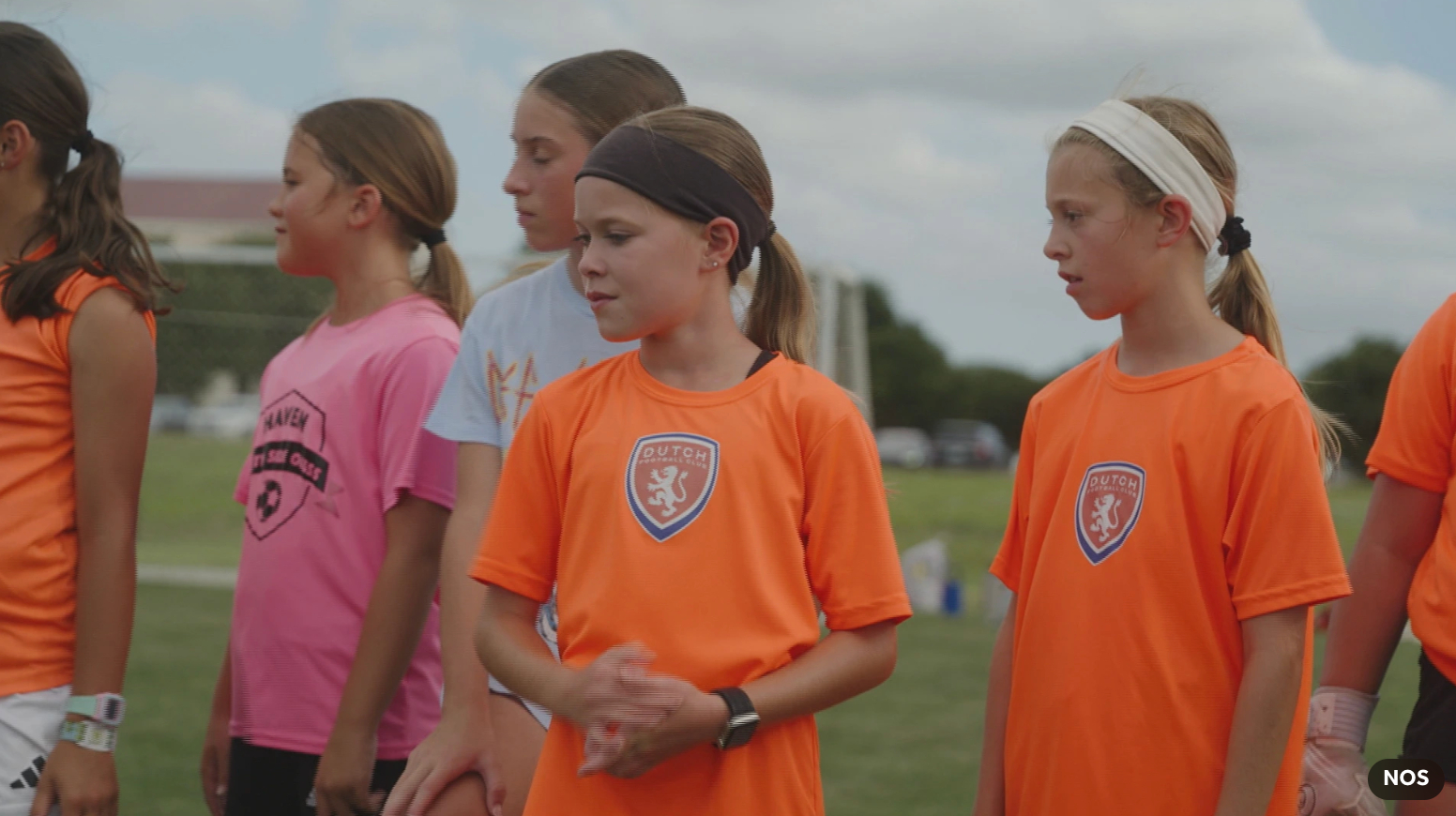
On a large stretch of grass between a church (Stonebriar Community Church) and a Starbucks, hundreds of children in orange shirts stand together — complete with a roaring lion logo. An unusual sight here in the suburbs of Dallas, Texas.
This is not the Dutch national fan army, but Dutch FC — a youth soccer club founded by Wilco Ravestijn, originally from Vlaardingen, the Netherlands. After 30 years in the United States, he speaks Dutch with a strong American accent and considers himself a true Texan. But Ravestijn never lost his Dutch way of playing soccer.
In fact, with Dutch FC he is actively trying to bring Dutch soccer to the United States. The club founder quickly discovered the vast differences between "voetbal" and "soccer."
The Price Problem: What the Research Says
In 2025, the average youth soccer membership fee in the Netherlands was €171, according to the Mulier Institute. The Aspen Institute conducted a 2024 study on the total spending of American parents on youth sports. The result: an average of $910 (€786) per child per year.
But that average, according to Jon Solomon, Research Director at the Aspen Institute , fails to capture the extreme costs at the higher levels.
"Parents spending tens of thousands of dollars per year is completely normal in elite youth soccer. The system is more about money than it is about soccer."
— Jon Solomon, Research Director, Aspen Institute
"There is no place in this system for children whose parents don't have enough money or time."
Solomon explains that the bulk of those costs come from travel, but coaches must also be paid. As a result of those costs, he sees children being lost to the sport entirely.
— Jon Solomon, Research Director, Aspen Institute
Dutch FC's Answer: Accessibility First
Ravestijn is working to bring accessible soccer to Dallas — but he's clear that affordability is only the beginning.
A cultural shift is needed, he says. In his view, American priorities are simply wrong: flashy jerseys and water bottles matter more than participation and equal opportunity.
"At American clubs, it's all about winning and perfection. Here, we have a different order: first comes fun, then development, and finally competition."
— Wilco Ravestijn, Founder, Dutch FC
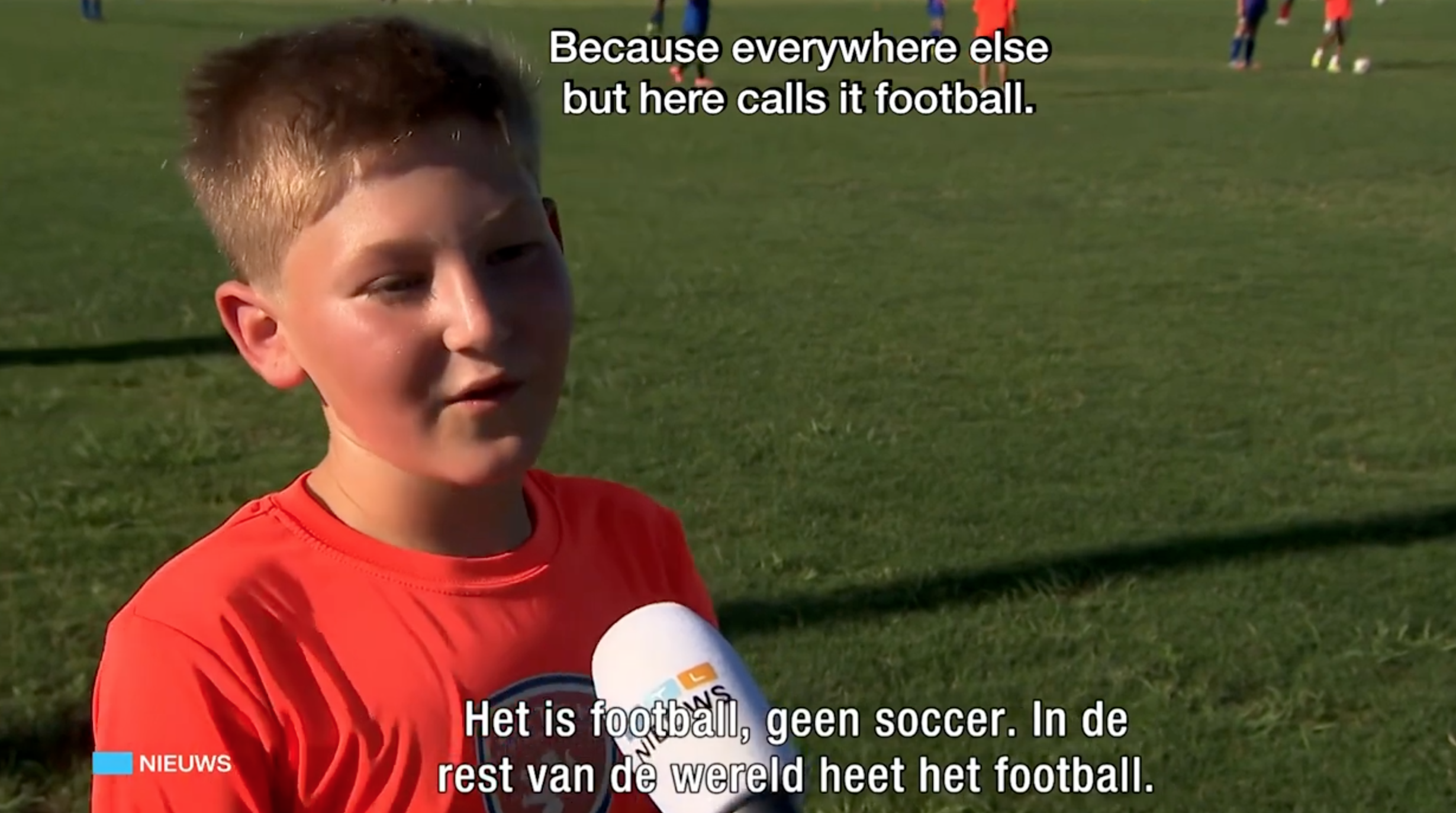
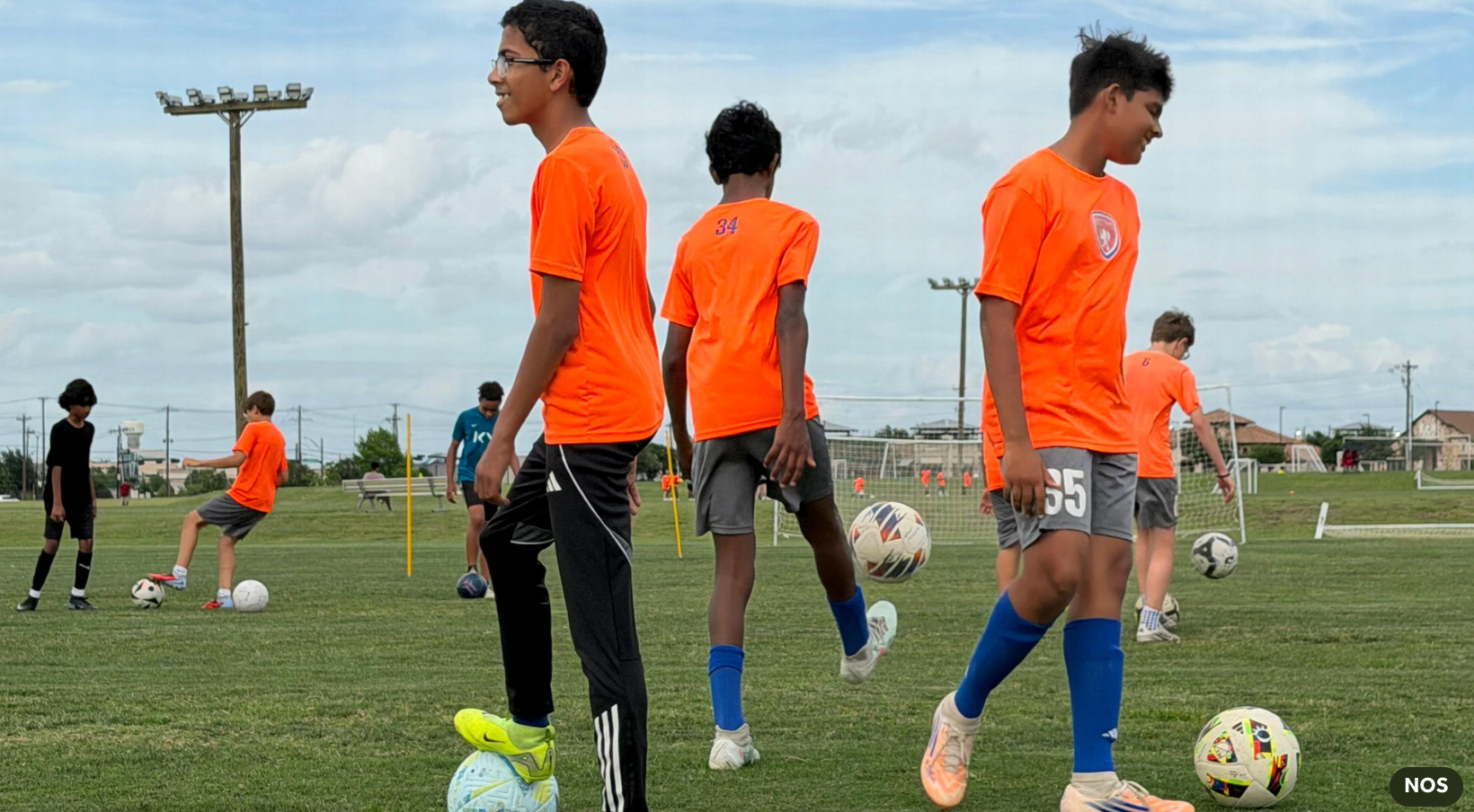
Ravestijn gives his teams the names of Dutch clubs: Feyenoord, PSV, Sparta, and Ajax. Cameron, who plays on the PSV team for boys under 14, describes the difference from his previous club.
"There, they would yell at me whenever I did something wrong. Here, I get a lot more chances to play and to make mistakes."
— Cameron, Dutch FC player, U14 Boys PSV
The "Fun Gap" — Confirmed by Independent Research
These are stories that researcher Solomon recognizes immediately. He talks about a "fun gap" : young players play soccer primarily to have fun with their friends, while the system is entirely focused on winning.
That is holding back soccer in the U.S., Solomon continues.
"When you look at the great soccer nations of the world — Argentina, Brazil, the Netherlands — you see that children are given much more freedom to shape their own game. By playing freely with friends in low-pressure environments, they not only have more fun, but they also learn to play more creatively."
— Jon Solomon, Research Director, Aspen Institute
Solomon's conclusion is direct: "We need to make soccer about fun again."
It's a conclusion that Dutch FC has been living out since day one.
Building Something Bigger
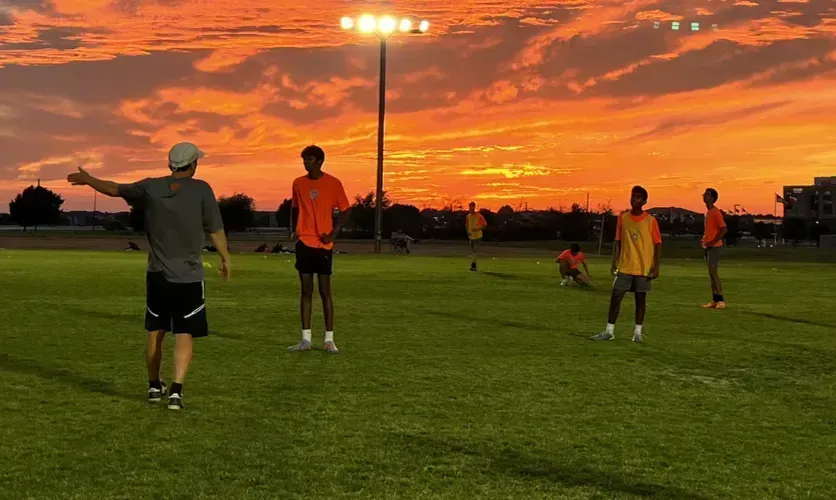
Ravestijn pulls his training poles out of the ground to set up a small-sided game — the kind of free, low-pressure play that researchers say produces better players and happier kids.
"Players in America have just as much potential as players in the Netherlands — but the system is failing them. If we can make a difference here in greater Dallas, with over 8 million people, we won't just develop more talent. We'll be taking the first steps toward making America a true soccer nation."
— Wilco Ravestijn, Founder, Dutch FC
Source: NOS Nieuws — "Bij voetbalclub Dutch FC in Dallas staat niet winnen maar speelplezier voorop" by Valentijn Arends. The Aspen Institute's research on youth sports participation is available at aspenprojectplay.org .