
Why Finding Elite Soccer Camps Near Me Is Harder Than It Looks
Finding elite soccer camps near me does not have to be overwhelming — but with dozens of options ranging from affordable community programs to high-cost college recruitment camps, it is easy to feel lost.
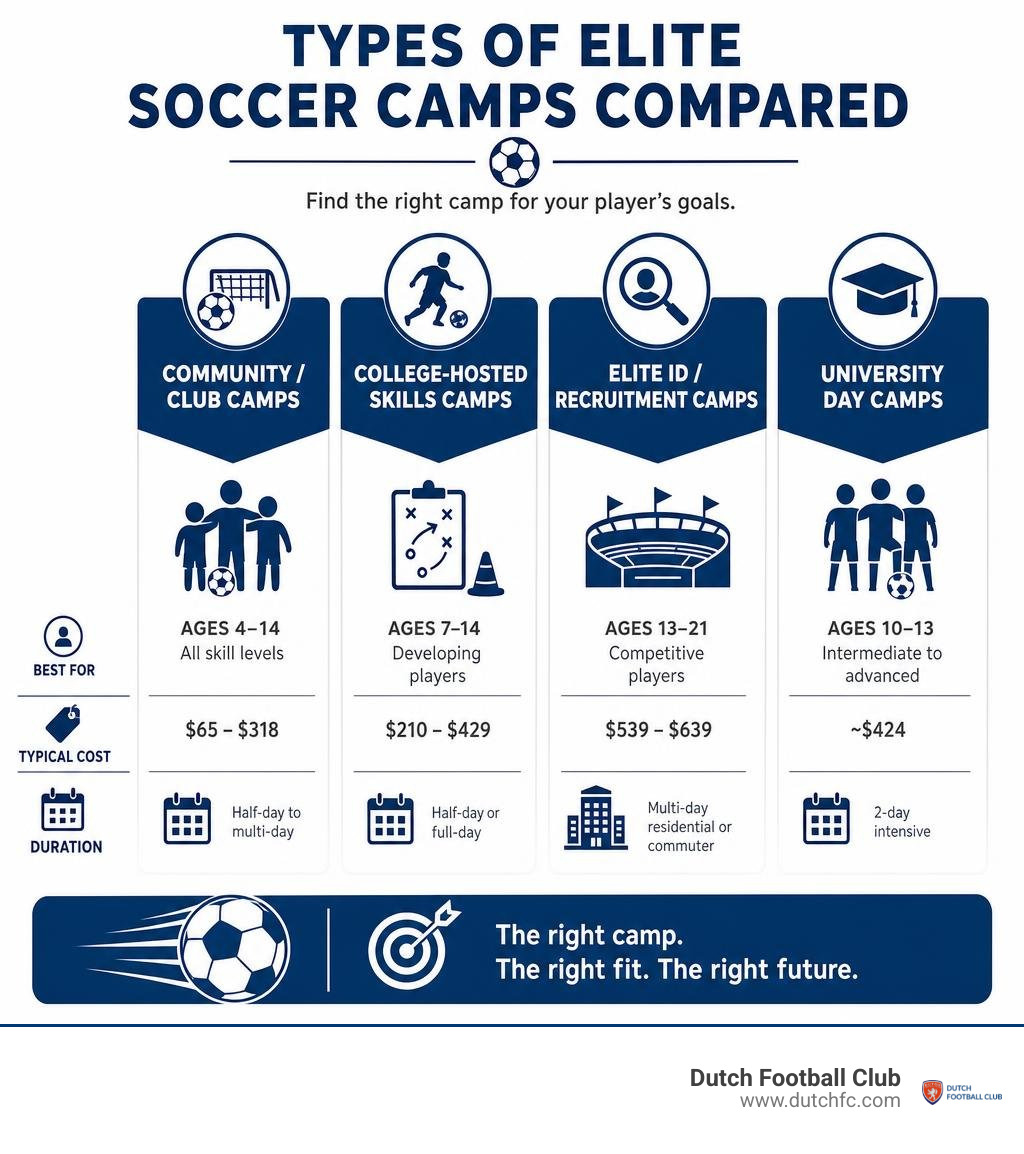
Here is a quick breakdown of the most common types to help you decide fast:
| Camp Type | Best For | Typical Cost | Duration |
|---|---|---|---|
| Community/club camps | Ages 4-14, all skill levels | $65 - $318 | Half-day to multi-day |
| College-hosted skills camps | Ages 7-14, developing players | $210 - $429 | Half-day or full-day |
| Elite ID/recruitment camps | Ages 13-21, competitive players | $539 - $639 | Multi-day residential or commuter |
| University day camps | Ages 10-13, intermediate to advanced | ~$424 | 2-day intensive |
The difference between these camp types is not just price — it is purpose. A community camp builds love for the game. An ID camp puts your player in front of college coaches who are actively evaluating recruits.
Most families do not realize that mismatch is the biggest mistake in camp selection. Sending a 10-year-old beginner to a college ID camp — or a serious 16-year-old recruit to a fun community camp — wastes both time and money.
This guide walks you through everything: costs, coaching credentials, age groups, registration deadlines, and how to match your child's goals to the right program.
I'm Wilco Ravestijn, spokesperson for Dutch Football Club in Frisco, Texas, where I work with youth players every day who are navigating exactly this decision about elite soccer camps near me. With Dutch Football Club's Total Football development model as my foundation, I have helped hundreds of families find the right path — from first-touch fundamentals all the way to college placement.
Understanding the Landscape of Elite Soccer Camps Near Me
When you search for the best soccer training programs in your area, you will quickly notice that "elite" means different things to different organizations. To make an informed decision for your child, it helps to understand how these programs are structured, who they serve, and what their ultimate goals are.

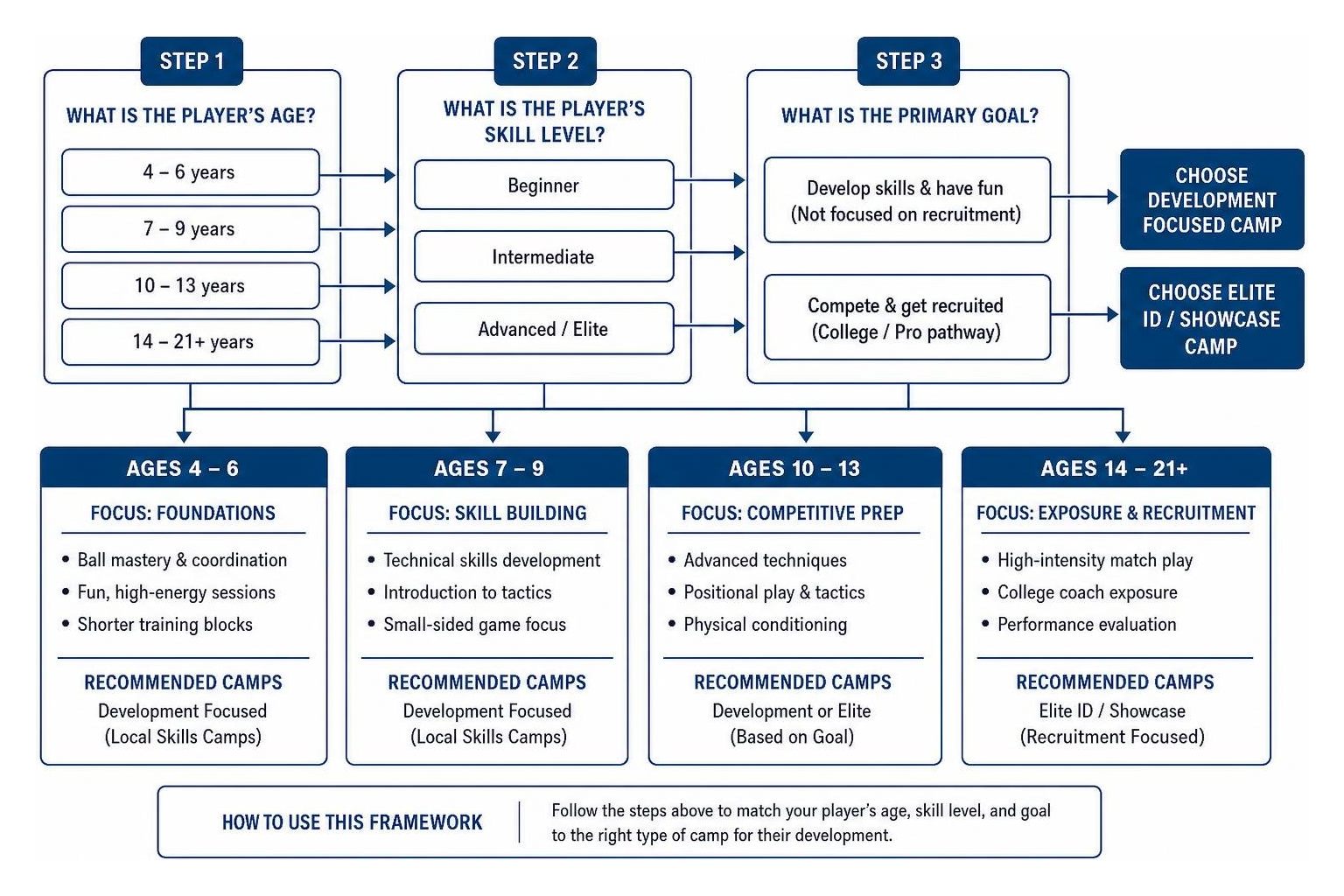
The youth soccer ecosystem is divided into several tiers, each designed to meet players at their specific stage of development.
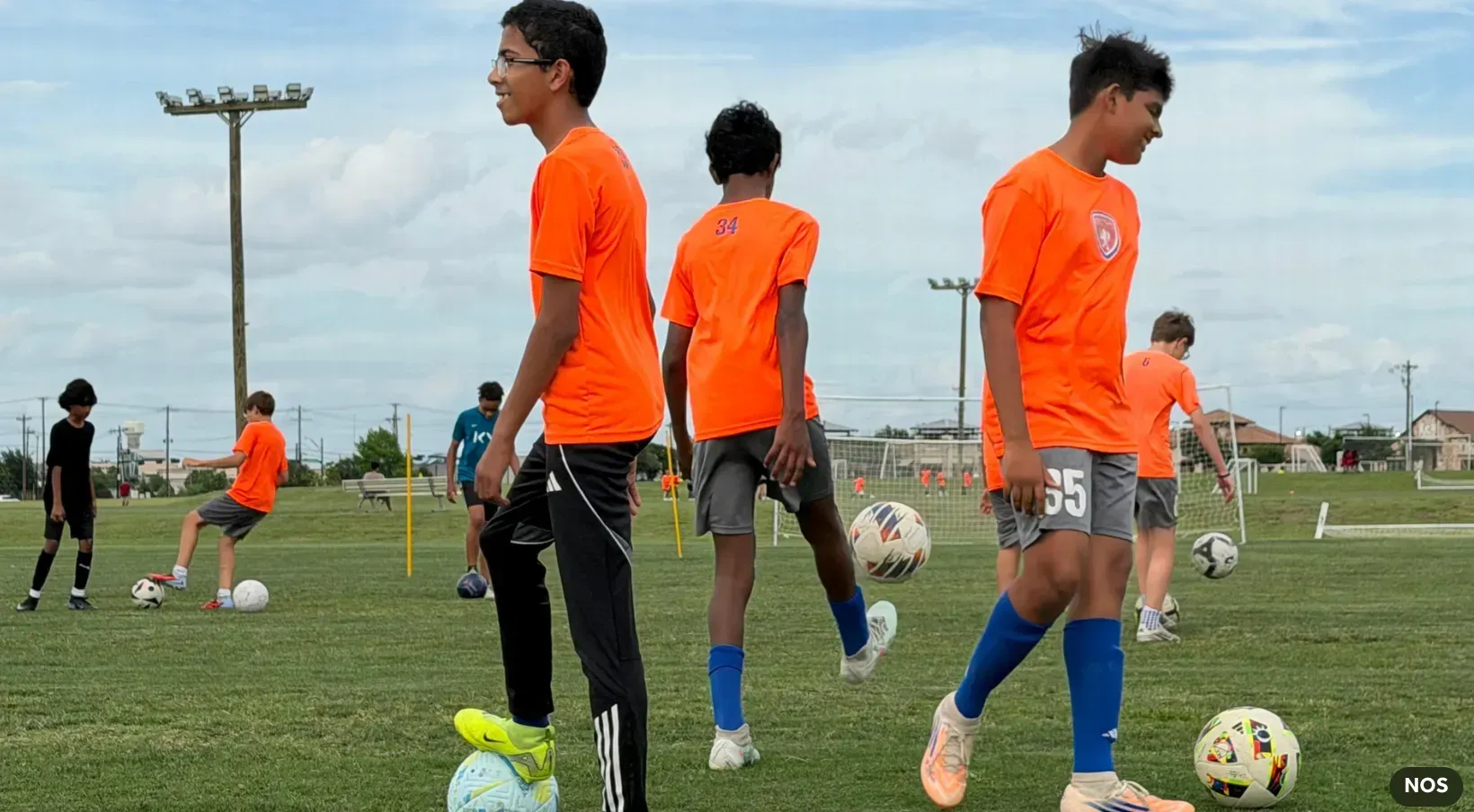
- Ages 4 to 12: At this foundational stage, camps focus heavily on individual ball mastery, coordination, and fostering a genuine love for the sport. Many community-based programs offer short, high-energy sessions designed to match younger attention spans. For example, some regional programs structure their days into 45-minute slots for preschoolers and 90-minute blocks for older elementary players.
- Ages 7 to 14: This is the golden age of skill acquisition. Camps targeting this demographic transition into structured technical development, introducing positional play, defensive shape, and advanced striking techniques.
- Ages 10 to 13: Intermediate and advanced players in this bracket are often preparing for competitive club soccer. Training environments become more intensive, balancing physical conditioning with tactical awareness.
- Ages 13 to 21+: High school and college-bound athletes require exposure, high-tempo match play, and direct interaction with collegiate coaching staffs. These camps are highly specialized and focused on recruitment.
Local Skills Camps vs. Elite ID & Showcase Camps
The primary point of confusion for many parents is distinguishing between a local skills camp and an elite ID or showcase camp.
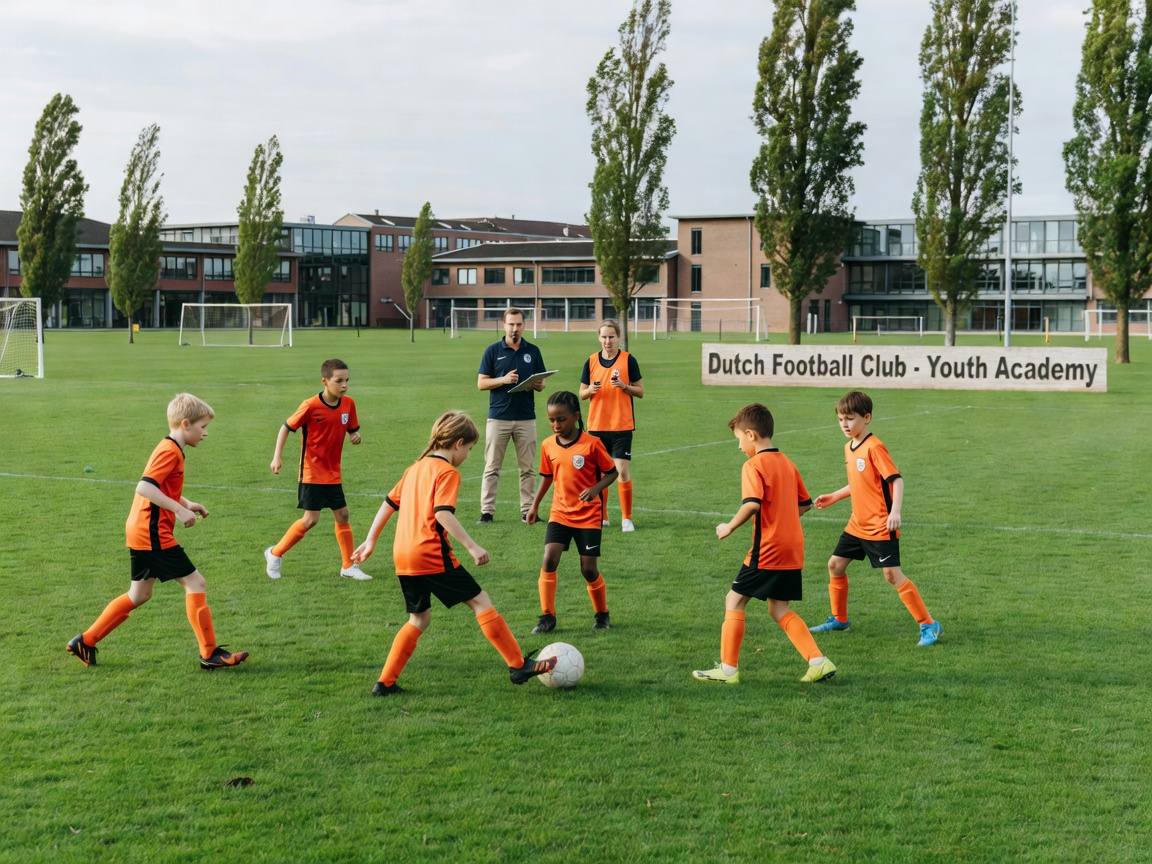
Local skills camps focus on individual development. They are excellent for players who want to refine their touch, improve their physical conditioning, and enjoy a structured, positive environment during school breaks. These camps prioritize high repetition, small-sided games to maximize touches on the ball, and overall confidence-building. If your child wants to sharpen their fundamentals, attending local Camps or targeted Skills clinics is the ideal route.
On the other hand, Elite ID and Showcase camps are designed almost exclusively for players aiming for collegiate or professional recruitment. These camps shift the focus from basic instruction to evaluation. While tactical lectures and game-play analysis are included, the main objective is to allow college coaches to scout talent in highly competitive, full-sided match environments.
Finding the Right Fit: Elite Soccer Camps Near Me for Beginners vs. Advanced Players
Choosing the wrong camp level can severely impact a player's confidence. A beginner placed in a high-intensity recruitment camp may feel overwhelmed, while an advanced academy player in a recreational camp may feel unchallenged and bored.
To find the perfect fit, start by assessing your child's current development stage and immediate goals:
- The Beginner/Intermediate Track: If your child plays recreationally or is transitioning into competitive play, look for camps that emphasize core technical skills—dribbling, passing, turning, and finishing—in a supportive environment. The goal here is to build a strong technical foundation while keeping the game fun.
- The Competitive/Elite Track: For players already rostered on select or academy teams, look for intensive training environments that offer advanced tactical chalk talks, position-specific instruction, and physical performance testing. If your player is ready to test their skills against top-tier talent and wants to prepare for upcoming club tryouts, exploring Tryouts 2026-2027 pathways is a great next step.
Key Features, Costs, and Amenities of Top-Tier Camps
To help you visualize how these camp options stack up, let's look at a detailed comparison of typical features, pricing structures, and logistics across different camp models available in the youth soccer market.
| Camp Model | Target Age | Cost Range | Key Amenities Included | Capacity Limits |
|---|---|---|---|---|
| Affordable Community Camps | Ages 4-12 | $65 - $80 | Optional t-shirt, basic certificates | 100+ players |
| MLS Affiliate Satellite Camps | All Levels | Varies | MLS Match ticket, soccer ball, official shirt, player autograph card | Varies by site |
| Collegiate Youth Day Camps | Grades 5-8 | $400 - $430 | Lunch, camp t-shirt, facility tours | 100 - 125 players |
| Brand-Partnered College Camps | Ages 7-14 | $318 (Half-Day) - $429 (Full-Day) | Nike/Brand t-shirt, professional evaluation | 50 - 60 players |
| Elite College ID Camps | Ages 13-21+ | $539 (Commuter) - $639 (Residential) | Meals, housing (residential), recruitment lectures, game footage | Cap varies |
What is Included in the Registration Fee?
When evaluating the cost of elite soccer camps near me, it is essential to look at the overall value package. A higher upfront fee often includes premium amenities that would cost significantly more if purchased separately.
For instance, some professional club affiliate camps bundle incredible fan experiences into their registration. Campers might receive an official camp shirt, a custom soccer ball, an autographed card from a first-team professional player, and even a ticket to an upcoming professional match where they can participate in an on-field pre-match parade.
Collegiate youth day camps often include hot lunches, campus tours, and access to elite varsity facilities. For older players attending ID camps, registration fees typically cover university dorm lodging, all daily meals at the campus commons, educational seminars on NCAA compliance, and tactical video analysis. Many elite camps now use advanced camera systems like Veo to record matches, allowing players to purchase their raw footage or a professional coach evaluation as an add-on for around $150.
If you are looking for high-value summer training programs that combine elite-level coaching without the premium price tag of residential college travel, exploring local club-hosted Camps is often the most practical and effective option for families.
Evaluating Coaching Credentials and Staff Backgrounds
The quality of any soccer camp begins and ends with its coaching staff. When researching programs, look closely at who will actually be on the field working with your child.
Top-tier camps are typically staffed by:
- Nationally Licensed Coaches: Look for trainers holding USSF (U.S. Soccer Federation) or UEFA licenses. These credentials ensure the staff understands age-appropriate player development and modern coaching methodologies.
- Collegiate Coaching Staffs: Head and assistant coaches from NCAA Division I, II, and III programs bring a wealth of tactical knowledge and understand exactly what it takes to play at the next level.
- Active and Former Professional Players: Having coaches who have played at the highest levels provides invaluable mentorship and real-world perspective for aspiring athletes.
- Specialized Instructors: If your child is a goalkeeper, general drills will not cut it. Ensure the camp offers dedicated, position-specific coaches who can provide specialized Goalkeeper Training to refine positioning, handling, and distribution.
Navigating College Recruitment and Elite ID Camps
For high school-aged players, summer is prime recruiting season. Attending college-hosted ID camps is one of the most direct ways to get evaluated by college coaching staffs.

Unlike general youth camps, ID camps are structured to mimic a collegiate training environment. Players participate in high-intensity training sessions, tactical classroom lectures, and full-sided 11v11 matches.
Two excellent national examples of this model include:
- The Portland Soccer Summer Elite ID Camp, which is designed for competitive boys aged 13 to 20+ (including transfer portal and gap-year players up to age 23). This camp offers an intensive look into college soccer life, combining on-field play with lectures on conditioning and recruitment. You can learn more about their specific schedule and curriculum by visiting the Summer Elite ID Camps – Portland Soccer Camp page.
- The Michigan Sports Camps Youth Elite Camp, which focuses on intermediate to advanced boys in grades 5-8 (ages 10-13). Led by university men's soccer staff and active student-athletes, this camp provides a fantastic bridge for younger players wanting to experience a collegiate training environment. To see their full registration details and policies, check out the View Youth Elite Camp Details page.
For families seeking a structured pathway to higher levels of play, utilizing a dedicated College Placement Program can help guide players through the complex recruiting landscape, ensuring they choose the right showcases and ID camps for their academic and athletic goals.
Maximizing Exposure at Elite Soccer Camps Near Me
To get the most out of an elite ID camp, players must prepare both physically and mentally before arriving on campus. Here are several actionable steps to maximize exposure:
- Contact Coaches in Advance: Do not show up anonymously. Two weeks before the camp, send a polite, personalized email to the coaching staff. Include your soccer resume, a link to your highlight video, and your jersey number for the camp.
- Be a Leader on and Off the Field: Coaches do not just watch your technical skills; they watch how you warm up, how you react to making a mistake, and how you treat your teammates. Displaying "selfless leadership" and a positive work ethic stands out far more than individual showboating.
- Engage in Recruiting Lectures: Take notes during classroom sessions and ask intelligent questions about NCAA compliance, daily training schedules, and academic expectations.
- Leverage Video Footage: If the camp offers match filming services, use that footage to build or update your recruiting highlight reel.
For players serious about taking their game to the collegiate or semi-professional level, finding a club with a clear vertical pathway—such as a direct link to a competitive College Placement Program —is critical to long-term success.
Frequently Asked Questions About Elite Soccer Camps
What is the average cost of an elite soccer camp?
The cost of an elite soccer camp varies widely based on the format, location, and hosting organization. Local municipal or community-based skills camps generally range from $65 to $318. University-hosted youth day camps typically cost between $400 and $430. For high school and college-bound players, elite residential ID camps generally range from $539 for commuters to $639 for overnight residential campers, which covers lodging, meals, and facility access.
How do I choose between a general skills camp and an ID camp?
Your choice should depend entirely on your child's age, skill level, and athletic goals. If your player is under the age of 13 or is focused on improving their technical foundation, footwork agility, and overall confidence, a general skills camp is the best fit. If your player is 13 or older, competes at a high level, and has aspirations of playing collegiate or professional soccer, they should attend specialized ID camps to gain direct exposure to college recruiting networks.
What safety measures are in place for extreme summer weather?
Reputable elite camps prioritize player safety above all else. Most outdoor camps employ certified athletic trainers who monitor the heat index throughout the day. Standard weather policies include mandatory hydration breaks every 15 to 20 minutes, access to shaded cooling stations, and clear lightning safety protocols (such as immediately moving players to indoor facilities or secure vehicles if lightning strikes within a 10-mile radius). Always review a camp's specific weather contingency and refund policies before registering.
Conclusion
Finding the perfect elite soccer camps near me requires balancing your player's developmental needs, long-term goals, and your family's budget. Whether your child is taking their very first touches on the ball or preparing to showcase their talents to collegiate scouts, choosing a camp with qualified, licensed coaches and a positive training culture is the key to a successful summer on the pitch.
At Dutch Football Club in Frisco, Texas, we believe that world-class player development should be accessible, highly structured, and deeply engaging. Rooted in the legendary Dutch "Total Football" philosophy, our training model emphasizes spatial awareness, rapid decision-making, and complete technical mastery of the ball. We are committed to building a vibrant soccer community where players of all levels can thrive under our core values.
If you are looking to elevate your child's game this season, we invite you to explore our comprehensive player pathways:
- Discover our player-centric development model and Club Philosophy.
- Learn about the core principles that drive our community in Our Culture Values.
- See our pathway to senior competitive soccer with The 1st Team.
- Ready to get started? Secure your spot in our upcoming seasonal Camps today!