
When searching for a youth soccer academy near me, it is easy to feel overwhelmed by the sheer volume of choices available to families today. On paper, many clubs promise top-tier development, elite coaching, and direct pathways to long-term success. However, real academy excellence relies on a structured curriculum, highly competitive match environments, and clear progression routes designed to support players as they grow.
At Dutch Football Club, we structure our programs around the renowned Dutch "Total Football" methodology. This time-tested philosophy ensures every player learns positional versatility, tactical intelligence, and deep technical mastery from an early age. Rather than specializing players too early into rigid roles, Total Football encourages fluid movement, sharp spatial perception, and confident decision-making on the ball. To understand how structured academy environments differ from high school or recreational options, explore A Comparison Guide of Club, School and Recreational Soccer Programs.
Vertical Development Pathways from Grassroots to Pre-Pro
A fundamental element of a top-tier academy is a vertical player pyramid. Rather than forcing families to search for a new club every few years as their athlete matures, an established organization guides athletes through every critical milestone within one unified development philosophy:
- Grassroots (U5–U8): Focuses on ball familiarity, joy of the game, spatial awareness, fundamental motor skills, and building early confidence in 1v1 situations.
- Junior Academy (U9–U12): Emphasizes 1v1 execution, tactical positioning, rapid decision-making under pressure, precise passing accuracy, and small-sided gameplay dynamics.
- Competitive Select (U13–U19): Shifts toward full 11v11 tactical mastery, physical preparation, position-specific responsibilities, high-level set-piece organization, and competitive league play.
- Pre-Professional (UPSL / USL Platforms): Provides elite high school, collegiate, and adult players with high-tempo, semi-pro environments to prepare for top-level collegiate or professional soccer careers.
Having a unified vertical pipeline ensures players build on the same foundational tactical concepts year after year, completely avoiding the disruptive readjustments that often come with switching clubs or systems.
Pro-Affiliations and Elite Competitive Leagues
Elite competition is crucial for challenging growing athletes and exposing them to higher levels of play. Platforms such as the Elite Clubs National League (ECNL), USL Academy, and regional premier platforms (such as NorCal Premier in Northern California) give players valuable regional and national visibility. Top organizations across the country maintain direct connections or affiliate structures with professional clubs, creating scouted environments where technical directors regularly evaluate emerging talent.
For ambitious high school athletes aspiring to play at the university level or enter professional ranks, competing in these exposure platforms provides direct access to NCAA college coaches and professional talent scouts.
How to Evaluate Facilities, Coaching, and Philosophy
To select the right youth soccer academy near me, parents must look past marketing claims and thoroughly evaluate three critical areas: training venues, staff qualifications, and overall club culture.

Facilities to Expect at a Youth Soccer Academy Near Me
Top-tier development requires high-quality infrastructure. The best youth soccer hubs rely on multi-field venues featuring both modern synthetic turf and well-maintained natural grass to accommodate all-weather training schedules and intense match schedules.
Across the United States, major youth development organizations invest heavily in dedicated complexes designed to support high-volume athlete training. For instance, major Midwestern networks operate up to 24 synthetic turf fields and 7 natural grass fields across multi-venue hubs to ensure uninterrupted, year-round play. Dedicated complexes significantly reduce weather cancellations, facilitate club-wide training nights where younger players can observe older teams, and host high-profile talent identification events.
Coaching Credentials and Character Building
Coaching credentials directly impact your child's technical growth, tactical awareness, and emotional stability on the pitch. Parents should look for licensed directors and staff holding recognized credentials from United States Soccer Federation (USSF), UEFA, or equivalent international governing bodies. Families can also review the U.S. Soccer Learning Center to better understand the coaching education pathway used across American soccer. These certifications help confirm that trainers understand periodized workload management, modern positional play, and age-appropriate pedagogy.
However, professional licenses alone are not enough to guarantee a positive player experience. High-level academies prioritize character-first development, using sports as a tool to build resilience, integrity, personal accountability, and leadership. To learn how we balance competitive drive with long-term character building, review our Club Philosophy. Top-tier programs teach players to face athletic adversity with courage - a strong mindset that yields success both on the pitch and in everyday life.
Navigating Costs, Commitment, and Playing Time
Joining a competitive youth soccer academy is a meaningful investment of time, energy, and financial resources. Understanding fee structures, travel expectations, and schedule demands upfront helps families select a program perfectly aligned with their lifestyle and long-term athletic goals.
| Program Type | Annual Fee Range | Weekly Time Commitment | Travel Expectation | Primary Goal |
|---|---|---|---|---|
| Recreational | $100 – $300 | 1–2 hours | Local (City) | Participation & Fun |
| School Soccer | $50 – $500 | 6–10 hours (Seasonal) | District / Regional | School Representation |
| Youth Soccer Academy | $1,500 – $4,000+ | 6–12+ hours (Year-Round) | Regional & National | High-Performance Development |
Managing Roster Dynamics and Playing Time
Managing playing time transparently is one of the clearest indicators of a healthy academy culture. Winning matches is enjoyable, but youth players do not improve by sitting on the bench for entire games. High-level academies maintain balanced roster sizes to ensure every athlete receives meaningful competitive minutes on matchday.

To solve roster bottlenecks and ensure continuous growth across all age groups, we implement a dynamic squad model. Learn how The Squad System allows players to move fluidly between training groups based on form, developmental needs, and individual performance levels.
Camps and Supplemental Skills Training
To complement regular team practices, elite academies offer targeted skill workshops and specialized seasonal training. Position-specific training allows players to refine specialized techniques outside of team tactics:
- Technical Clinics: Focused on footwork, 1v1 attacking skills, passing under intense pressure, tight-space dribbling, and dynamic ball control. Check out our Skills sessions.
- Goalkeeper Academies: Dedicated shot-stopping, hands-on handling, distribution techniques, footwork, and cross-management instruction.
- Holiday & Summer Camps: High-intensity seasonal clinics designed to accelerate physical conditioning, agility, and technical speed. Explore our upcoming Camps.
Measuring Long-Term Academy Success and Player Progression
When evaluating a youth soccer academy near me, look beyond temporary weekend tournament trophies. True program quality is demonstrated through collegiate placements, national team visibility, and long-term alumni success at higher levels of play.
Evaluating College Placements and USYNT Visibility
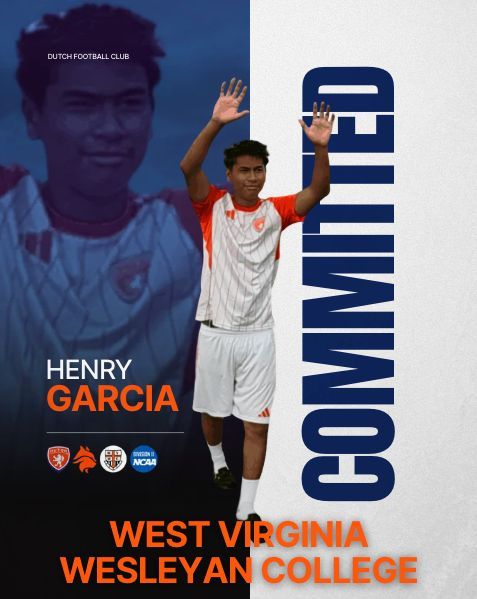
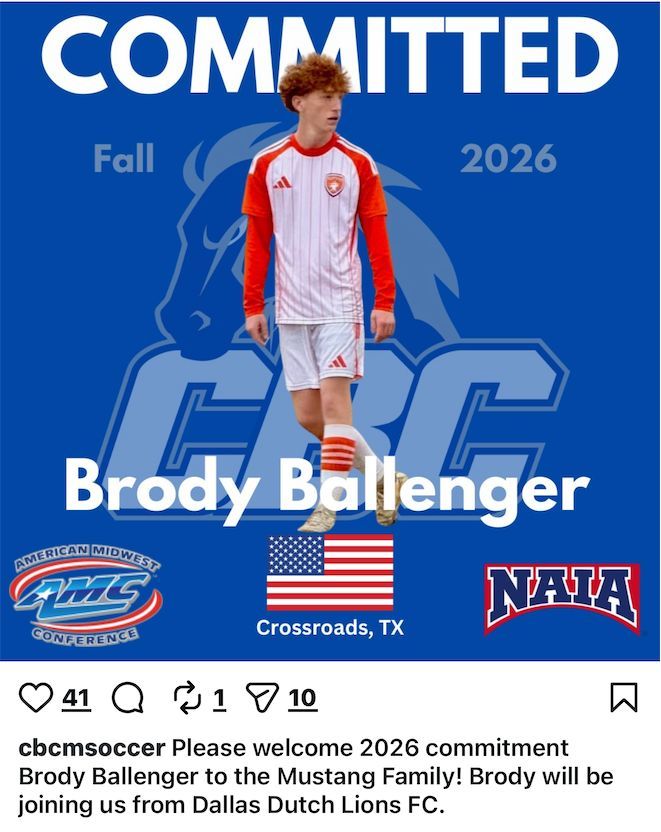
The nation's top youth academies consistently place graduating seniors into NCAA Division I, II, III, and NAIA collegiate programs. Benchmark organizations demonstrate this developmental impact by producing hundreds of college alumni, securing top national rankings, making deep postseason tournament appearances, and regularly supplying talent to U.S. Youth National Team (USYNT) identification camps.
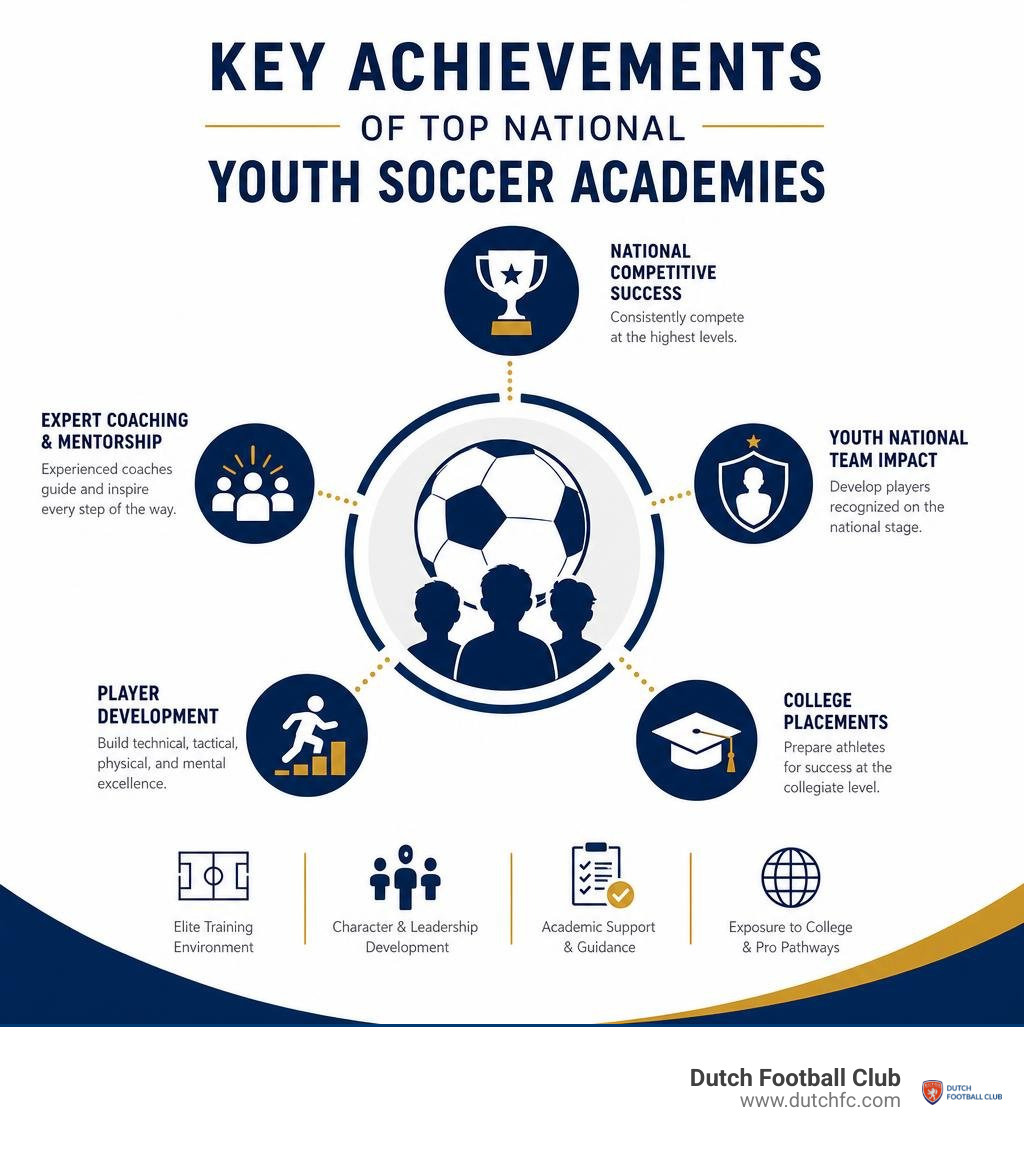
Top premier platforms achieve these outcomes through structured exposure opportunities:
- National Showcase Events: Elite events attended by hundreds of college head coaches, assistant recruiters, and national team scouts.
- Dedicated Recruitment Guidance: Direct support with college communication protocols, highlight video editing, athletic resumes, and academic profiling.
- Scout Identification Camps: Regional talent hubs where USYNT and professional scouts evaluate high-potential youth players directly.
Finding the Right Youth Soccer Academy Near Me for Tryouts
Finding the right fit comes down to evaluating your child during official tryouts and open recruitment windows. Preparing mentally and physically allows young athletes to showcase their best abilities under pressure:
- Understand the Evaluation Criteria: Directors assess technical control, tactical awareness, speed of play, work ethic, and coachability.
- Explore Team Pathways: Review available competitive squads within your child's age group via our Teams directory.
- Register for Open Tryouts: Reserve your spot early for upcoming annual talent evaluations by visiting Tryouts 2026-2027.
Frequently Asked Questions About Youth Soccer Academies
How do academy programs differ from recreational soccer?
Youth soccer academies feature professional, licensed coaching staff, year-round periodized training plans, advanced tactical concepts, and access to elite regional and national competitive leagues. Recreational programs rely primarily on volunteer parents, operate short seasonal schedules, and emphasize basic participation over long-term high-performance development.
What age groups do youth soccer academies typically serve?
Most comprehensive academies serve players starting as early as age 4 or 5 in Grassroots and Futures programs up through U19 high school seniors. Top organizations extend these development pathways directly into adult pre-professional teams, such as UPSL or USL League Two programs, ensuring player development continues into college or semi-pro levels.
How do elite platforms like ECNL assist in college recruiting?
Elite competitive platforms organize national showcase events that bring hundreds of collegiate coaches and scouts to a single venue. These leagues also maintain central digital databases featuring detailed player profiles, full match video recordings, and key performance metrics, making it easier for university recruiters to evaluate prospective student-athletes nationwide.
Conclusion
Choosing the right youth soccer academy near me is one of the most impactful decisions you will make for your young athlete's physical and personal growth. By carefully evaluating vertical pathways, coaching credentials, facility quality, and overarching club philosophy, you can ensure your child receives an exceptional development experience.
At Dutch Football Club in Frisco, Texas, our low-cost, high-value developmental model brings authentic Dutch Total Football methodology directly to North Texas soccer families. We focus on mastering technical skills, making intelligent tactical decisions, and instilling character-first values that empower every player to reach their full potential.
To learn more about how we structure playing opportunities and foster athlete growth, read our detailed article on Playing Time in Club Soccer and explore how Dutch Football Club can elevate your child's soccer journey!