
How to Prepare for Soccer Tryouts
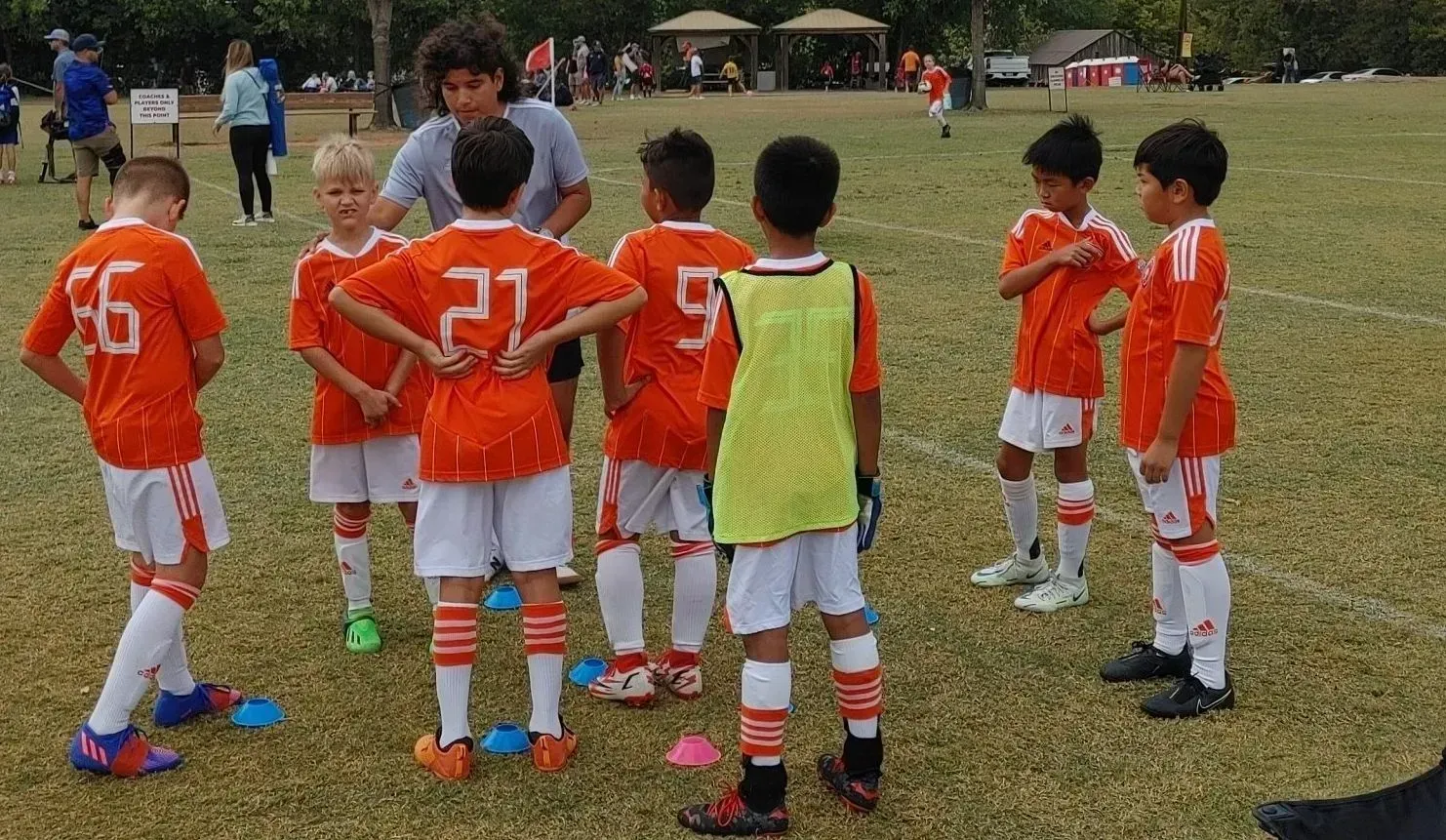
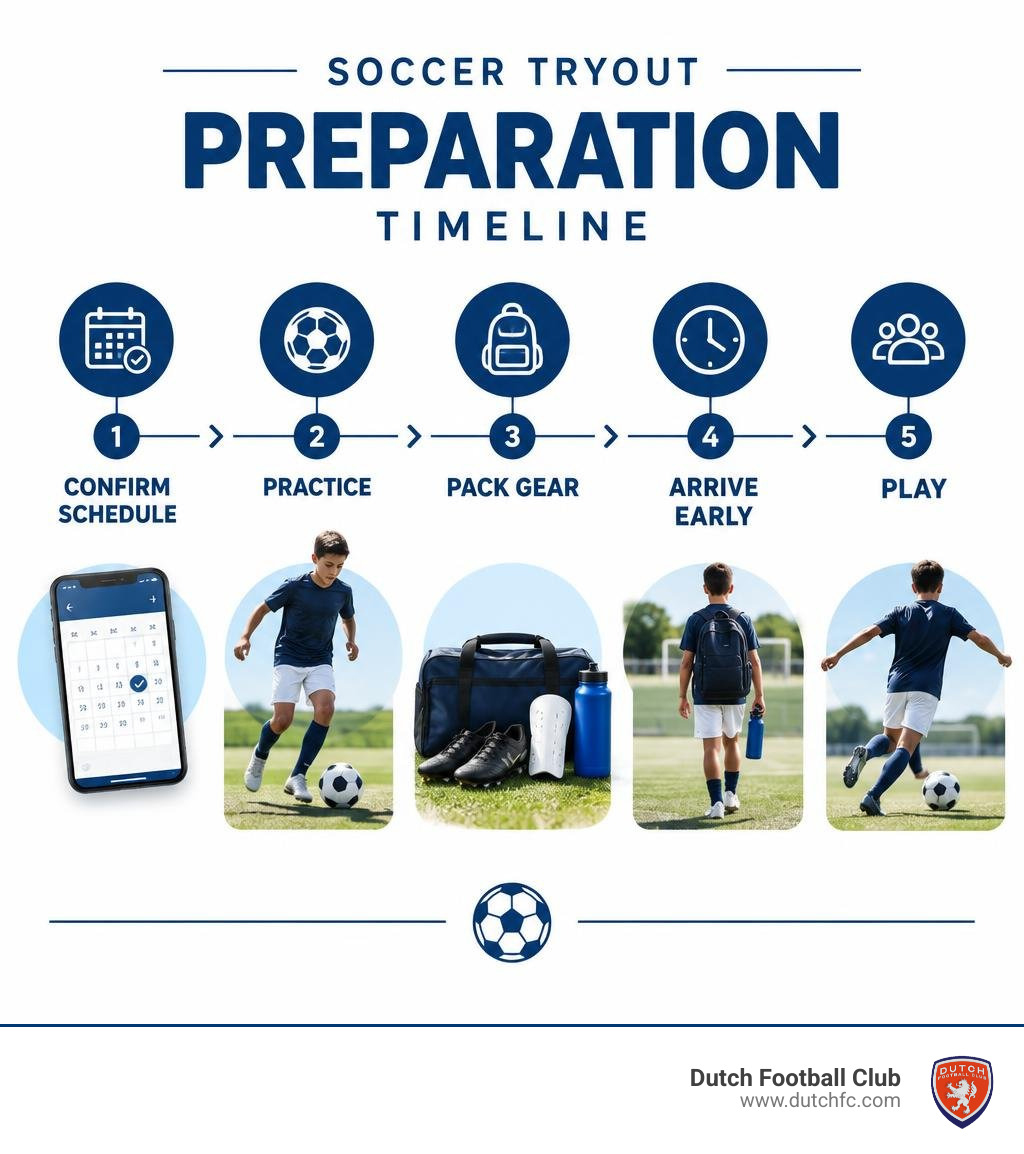
To prepare for soccer tryouts, confirm your age-group schedule and registration steps, then practice the skills you will use in a game: first touch, passing, movement, and communication. On tryout day, arrive early with cleats, shin guards, and water. Warm up, listen to the coaches, and keep working after mistakes.
Tryouts are not just a test of flashy skills. Coaches also watch how players make decisions, help teammates, and respond to feedback. For parents, the goal is to help your child feel ready to play, not pressured to be perfect.
I'm Wilco Ravestijn, spokesperson for Dutch Football Club in Frisco, Texas. I bring more than 25 years of entrepreneurial experience to sharing our low-cost, Dutch-style approach to player development and Soccer Tryouts.
Understanding the Structure and Schedule of Soccer Tryouts
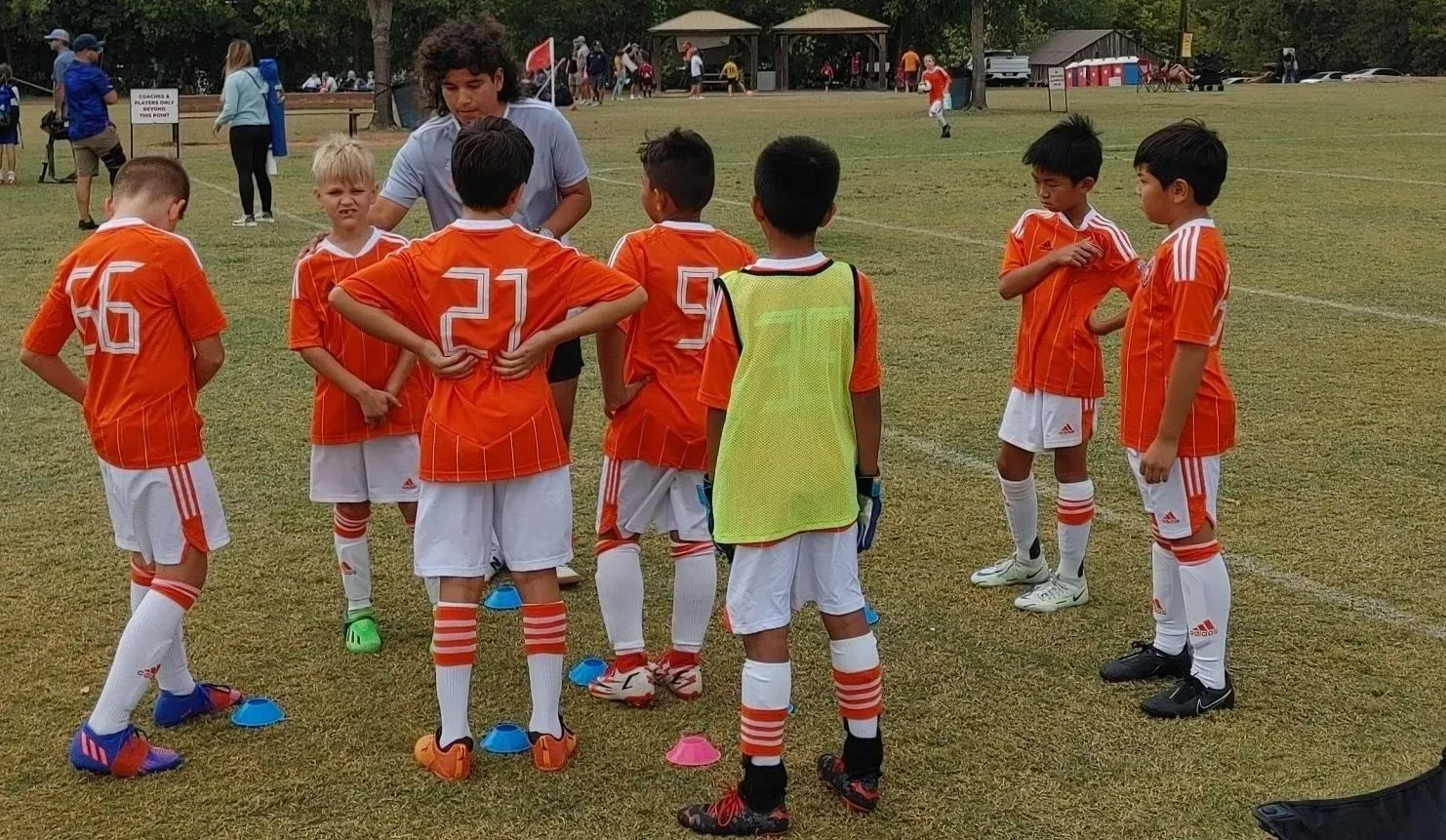
Navigating youth soccer assessments can feel overwhelming, especially when balancing registration deadlines, birth year mandates, and multi-day evaluation sessions. Club evaluations are structured environments where technical staff assess a player's current developmental stage, athletic potential, and coachability.
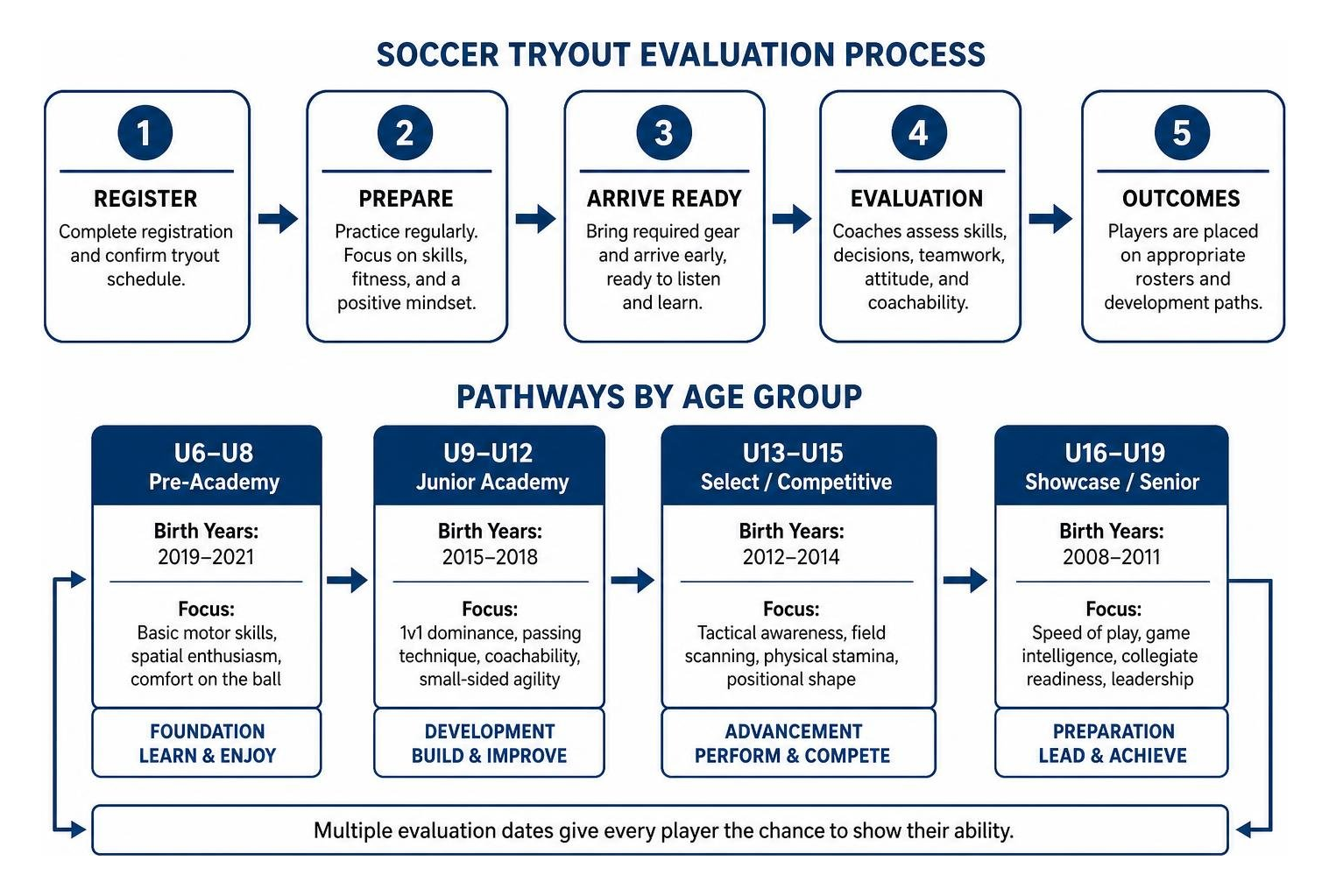
Club assessments span age divisions ranging from U6/U7 Pre-Academy (birth years 2019–2021) up to U18/U19 Competitive divisions (birth years 2007–2009). Understanding how these divisions are scheduled ensures players show up energized and ready to perform.
| Age Bracket | Typical Birth Years (2026–27 Season) | Session Duration | Primary Evaluation Window | Focus Areas |
|---|---|---|---|---|
| U6–U8 Pre-Academy | 2019–2021 | 60–75 Minutes | Mid-May | Basic motor skills, spatial enthusiasm, comfort on the ball |
| U9–U12 Junior Academy | 2015–2018 | 75 Minutes | Mid-May (2–3 dates) | 1v1 dominance, passing technique, coachability, small-sided agility |
| U13–U15 Select/Competitive | 2012–2014 | 90 Minutes | Late May | Tactical awareness, field scanning, physical stamina, positional shape |
| U16–U19 Showcase/Senior | 2008–2011 | 90 Minutes | Late May to Early June | Speed of play, game intelligence, collegiate readiness, leadership |
Regional tryout schedules across competitive clubs show standard timing across the youth soccer landscape. Youth academy evaluations (U6–U12) run across 2 to 3 session dates per age group during mid-May, followed by competitive high school age brackets (U13–U19) in late May.
Age Brackets and Evaluation Timelines
Tryout sessions for youth grades 1–8 typically run for 75 minutes, while high school age groups (grades 9–12) have extended 90-minute evaluation sessions to account for full-field tactical matches.
Clubs structure these windows so that evaluators get multiple looks at each athlete under varying conditions. A single off-night or bad touch will not ruin an evaluation when multiple dates are offered. To review developmental pathways across every age tier, explore our Dutch Football Club programs.
Academy vs. Competitive Club Pathways
Parents often ask about the difference between Academy (U6–U12) and Competitive/Select (U13–U19) programs. In early academy stages, the emphasis rests almost entirely on foundational ball mastery and building a love for the game without the pressure of rigid league standings.
As players mature into full-sided competitive brackets, evaluations shift toward tactical understanding, decision-making under high pressure, and role execution within team systems. Choosing the right environment makes all the difference; you can explore A Comparison Guide of Club, School and Recreational Soccer Programs to see where your athlete fits best.
Key Criteria Coaches Look for During Evaluations
What goes through an evaluator's mind with clipboard in hand? While a step-over or bicycle kick catches the eye, coaches look for consistent, repeatable fundamentals and tactical game awareness.
Technical Execution and Tactical Decision-Making
At Dutch Football Club, we embrace the Total Football philosophy—where every player must be comfortable receiving, passing, and moving into space regardless of their nominal position. Evaluators prioritize:
- First Touch and Ball Control: Does the ball stick to the player's foot, or does it bounce away into traffic? A clean first touch under pressure creates time and space.
- Scanning and Spatial Awareness: Does the player check their shoulders before receiving the ball, or do they only look down at their boots?
- Passing Accuracy and Weight: Can the athlete deliver crisp, firm passes to a teammate's back foot, setting them up for immediate forward action?
- Positional Discipline: How well does the player understand team shape during transitions from offense to defense?
How these technical pieces fit into a broader roster strategy is detailed within the squad system, illustrating how depth and versatility create balanced teams.
Attitude, Work Ethic, and Coachability
Talent opens doors, but character earns roster spots. Coaches watch players when the ball is on the other side of the pitch:
- Reaction to Mistakes: When a pass gets intercepted, does the player throw their hands up, or do they immediately sprint back to win the ball back?
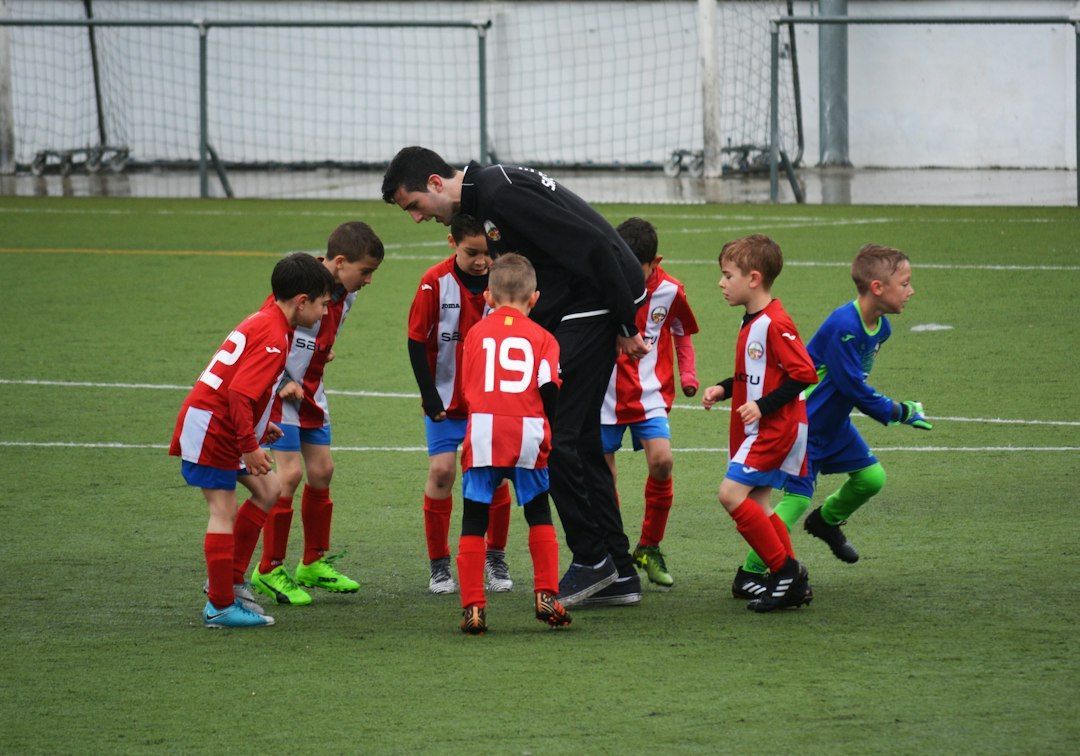
- Receptiveness to Coaching: When an evaluator gives a tactical instruction during a drill, does the player implement it on the very next repetition?
- Communication and Energy: Positive, encouraging communication stands out. Vocal players who call for the ball, organize marking, and lift their teammates elevate the entire session.
A strong work ethic also shapes how athletes earn minutes over a full season. Reviewing our guide on Playing Time in Club Soccer helps families understand the direct connection between training habits, coachability, and game-day roles.
Step-by-Step Preparation: Training, Fitness, and Logistics
Showing up physically prepared transforms tryout anxiety into self-assurance. Preparation should begin 4 to 6 weeks before evaluation windows open.

How Should Beginners Prepare for Youth Soccer Tryouts?
For newer players stepping into club environments for the first time, focused technical repetition builds confidence. Spend 20 minutes daily working on basic wall passes, cone dribbling drills, and juggling to hone touch sensitivity.
Enrolling in structured soccer camps for beginners provides early exposure to professional coaching styles, group dynamics, and competitive tempos. Furthermore, attending seasonal camps ahead of tryout week ensures that conditioning and technical sharpness peak at the right time.
Day-of-Tryout Checklist and Preparation Routine
On evaluation day, eliminating logistical stress lets players focus entirely on the pitch. Keep this checklist handy:
- [ ] Shin Guards & Proper Cleats: Clean, molded cleats suited for firm ground or turf surfaces.
- [ ] Properly Sized, Inflated Ball: Size 3 (U6–U8), Size 4 (U9–U12), or Size 5 (U13+).
- [ ] Hydration: A water jug alongside electrolyte hydration drinks.
- [ ] Neutral Clothing: Avoid wearing current premier club jerseys or apparel with large logos from other teams unless explicitly requested. A plain white, gray, or dark training shirt is best.
- [ ] Paperwork & Check-in Details: Digital or printed confirmation of registration.
- [ ] Arrival Window: Arrive at least 20 to 30 minutes before the scheduled time slot to check in, receive your tryout bib number, and begin dynamic stretching.
Maximizing Performance on Evaluation Day
When the whistle blows to start the session, mindset matters. Evaluators want to see players who express themselves freely without fear of making a mistake.
Navigating Match Simulations in Soccer Tryouts
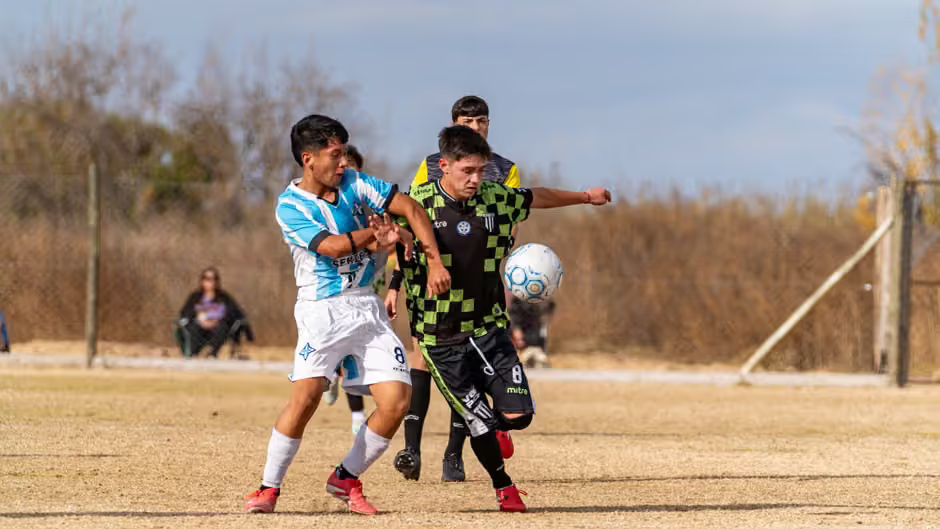
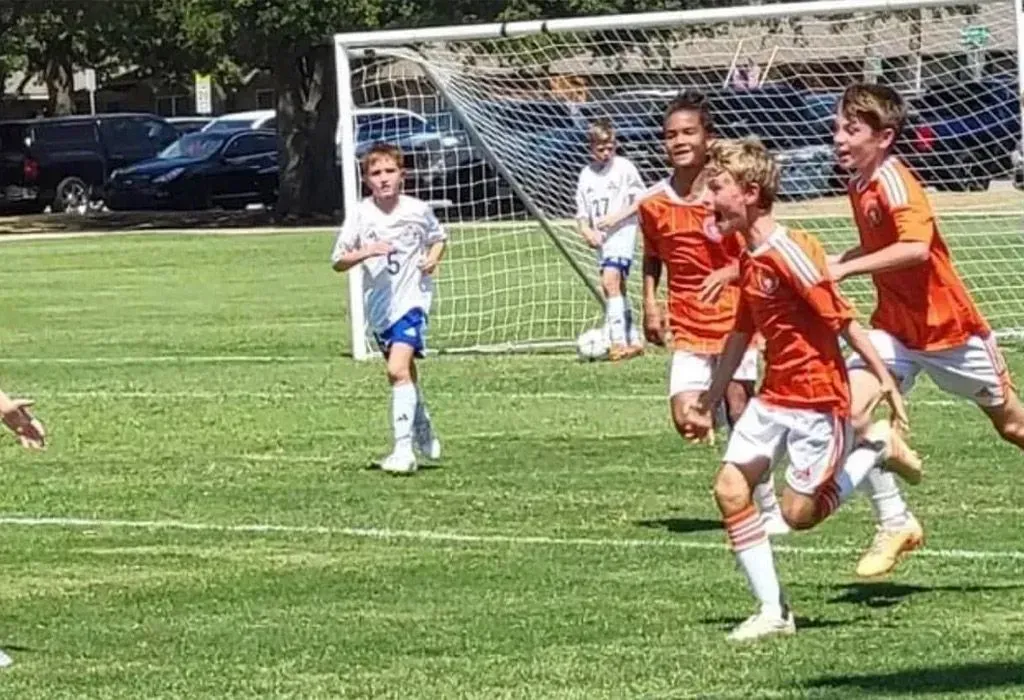
Most sessions conclude with small-sided games (3v3, 4v4, or 7v7) or full 11v11 match simulations. These scrimmages carry the heaviest evaluation weight.
- Move Off the Ball: Never stand flat-footed after making a pass. Move to create passing angles and triangles for your teammates.
- Win 50-50 Duels: Show physical bravery and determination in defensive challenges. Winning possession through clean tackling immediately catches an evaluator's eye.
- Keep It Simple: Play what you see. A clean two-touch combination pass that advances play is far more impressive to seasoned coaches than forcing an unnecessary dribble into three defenders.
Real developmental journeys are built over seasons, not single drills. Read From First Tryout to College Commitment: Brody Ballenger's Dutch FC Story to see how consistent dedication pays off over time.
Navigating Roster Invitations and Next Steps
Following tryout sessions, clubs begin extending roster invitations via email or digital player portals. Notifications typically arrive within 24 to 48 hours following the final scheduled session date.
When reviewing invitations:
- Evaluate the Fit: Look at coaching staff credentials, development philosophy, and team competition levels rather than just the tier name.
- Understand Financial Commitments: Clarify seasonal dues, tournament fees, and uniform packages by reviewing transparent Club Fees.
- Confirm Your Spot Promptly: Roster offers frequently have 24- to 48-hour acceptance windows before spots are extended to alternate players.
If your family is looking for the right program fit, finding a high-level youth soccer academy near me that aligns with your player's ambitions is the most critical first step.
Frequently Asked Questions About Soccer Evaluations
When do club tryouts typically take place during the year?
The primary evaluation window for competitive club soccer occurs annually in mid-to-late May. Younger academy divisions (U6–U12) generally evaluate during the second full week of May, while older select brackets (U13–U19) follow directly in late May and early June. Many clubs also host rolling or supplemental evaluations in December and January ahead of the spring season.
What happens if a player misses the scheduled tryout date?
If an injury, family commitment, or school conflict prevents attendance during official tryout dates, contact the club's Director of Coaching immediately. Most clubs accommodate prospective athletes through supplemental tryout sessions or by inviting them to attend existing team training sessions for an in-person assessment.
How are players notified about roster selection results?
Clubs issue invitations digitally through sports management platforms or direct email communications from coaching directors. Offers outline team placement, designated head coach, league tier, and instructions for submitting registration deposits within the required acceptance window.
Conclusion
Soccer tryouts are a milestone in an athlete's development journey, offering an opportunity to test skills, embrace competition, and find the right environment to flourish. At Dutch Football Club in Frisco, Texas, our low-cost, high-value developmental model pairs Dutch "Total Football" methodologies with elite coaching to help every player reach their full potential.
Ready to take the next step in your soccer journey? Register today and reserve your spot for Tryouts 2026-2027 with Dutch Football Club.