
Competitive Youth Soccer: A Clear Path for Frisco Families
Competitive youth soccer offers more structured training and regular matches than recreational play. Players typically move from Foundation (U8-U10), focused on ball skills, to Development (U11-U14), focused on team play, and then Senior (U15-U19), where tactics and full-sided games become more important. The right team should fit your child's skills, interest, and schedule, not just their age.
Before joining, ask about coaching, playing time, league level, travel, and the full cost of the season. For Frisco families, Dutch FC's competitive soccer for kids is a place to explore the next step. According to the U.S. Soccer Federation Player Development Initiatives, small-sided game standards are designed to increase touches on the ball and improve technical development during formative years.
I'm Wilco Ravestijn, a Dutch Football Club spokesperson in Frisco. I help families understand Competitive Youth Soccer and our approach to accessible, Dutch-style player development.
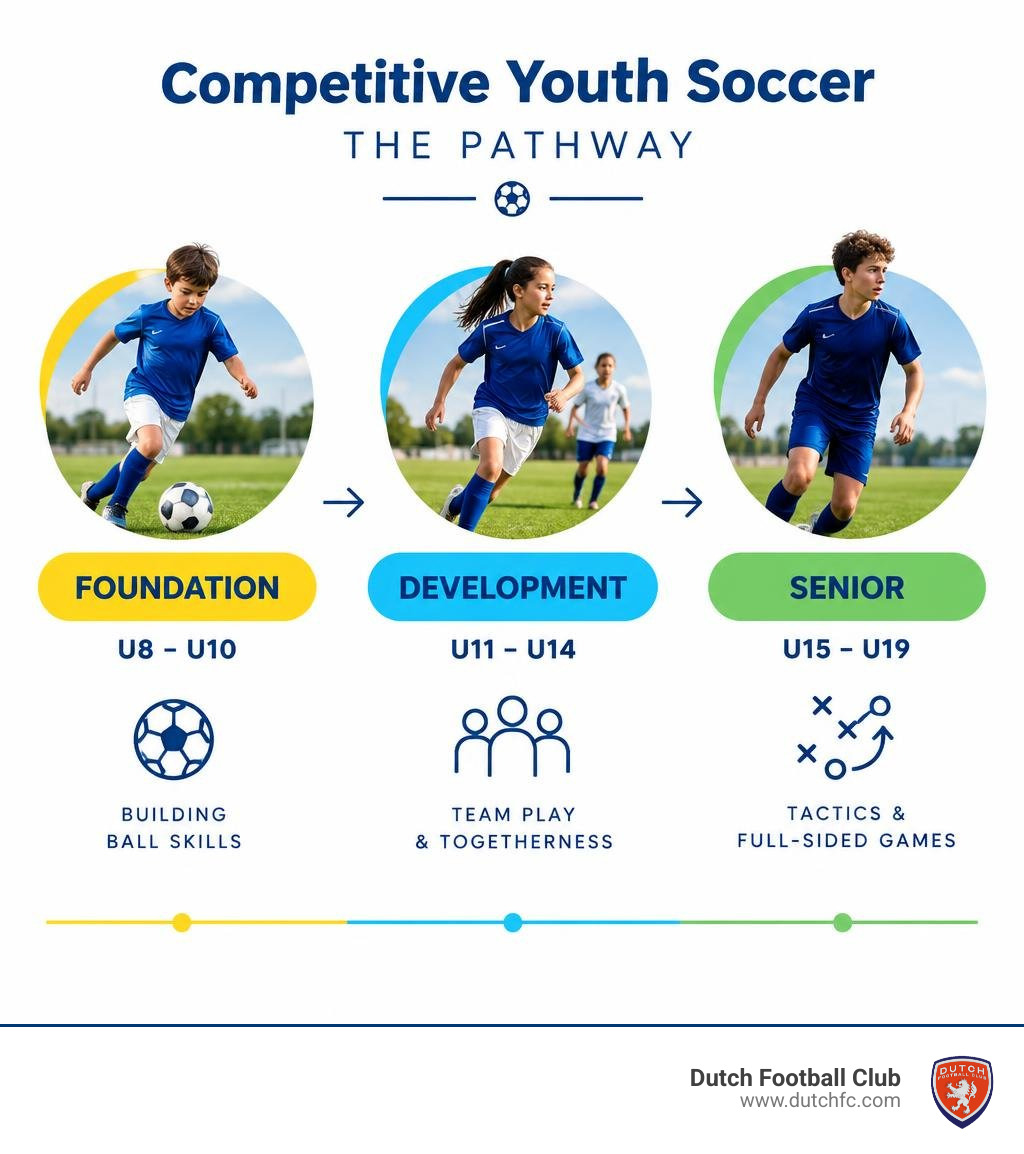
Understanding the Competitive Youth Soccer Pathway
Stepping onto the competitive soccer pitch represents a clear shift from casual weekend kickabouts. In competitive environments, training moves beyond general physical activity toward intentional, age-appropriate player progression. Every drill, session, and tactical concept connects directly to a long-term development curriculum designed to build technical confidence and intelligent decision-making.
Young athletes grow at different rates—physically, emotionally, and cognitively. Structuring development into clear phases ensures training meets players where they are rather than overwhelming them with complex concepts before they master the basics. According to the U.S. Soccer Federation's Player Development Initiatives, small-sided game standards are designed to increase touches on the ball and improve technical development during formative years, which is why competitive clubs align their training environments with these age-based standards.
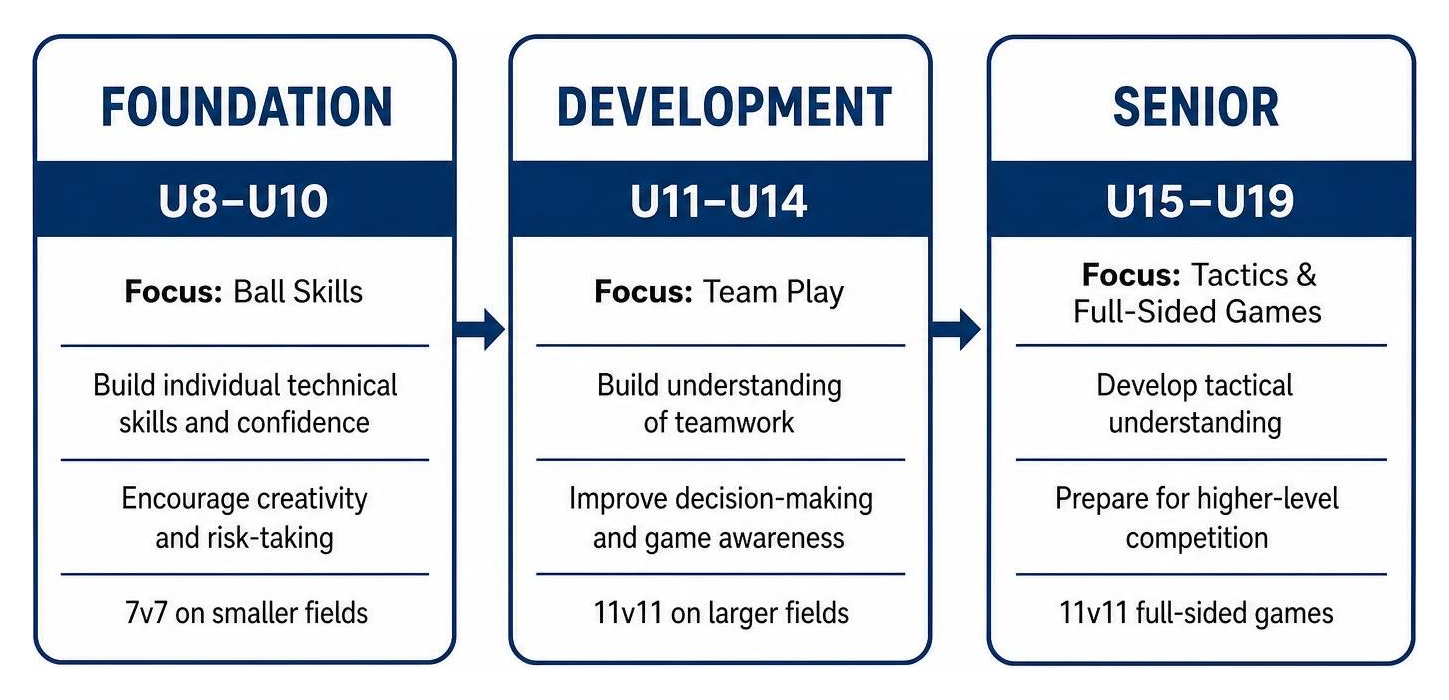
Foundation Phase: U8 to U10
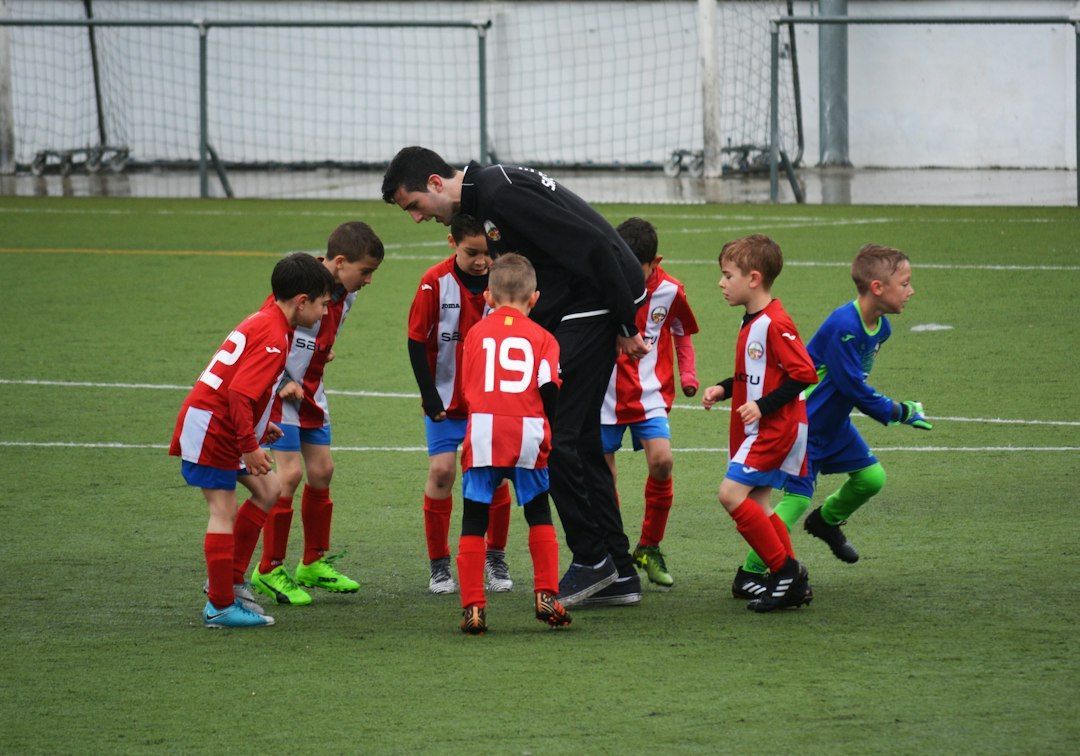
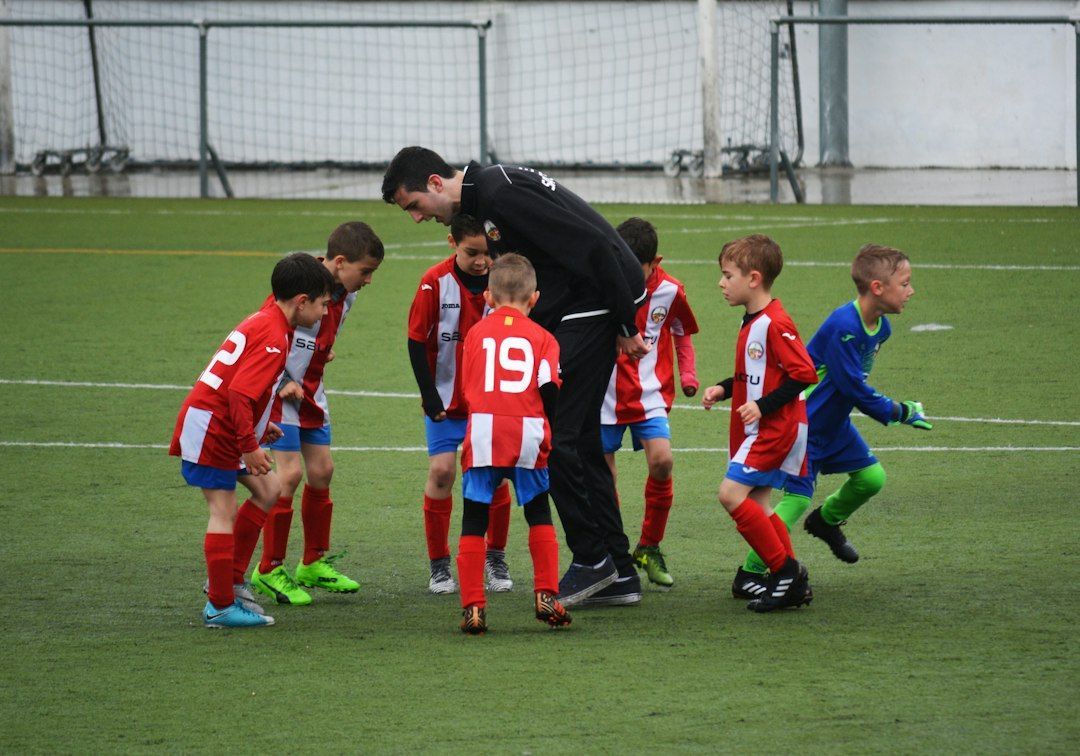
The Foundation Phase centers on developing a healthy relationship with the ball. During these early years, training prioritizes individual technical mastery: dribbling with both feet, receiving under light pressure, shielding, and developing quick 1v1 moves.
Matches use a 7v7 format on smaller fields. This setup ensures that every child receives frequent touches, stays actively involved in play, and builds foundational agility. Instead of worrying about rigid positioning, we encourage players to experiment, take risks, and express their creativity across every area of the pitch.
Development Phase: U11 to U14
As players enter the U11 to U14 bracket, their cognitive capacity for team concepts expands significantly. This phase bridges the gap between individual ball skills and collective tactical understanding.
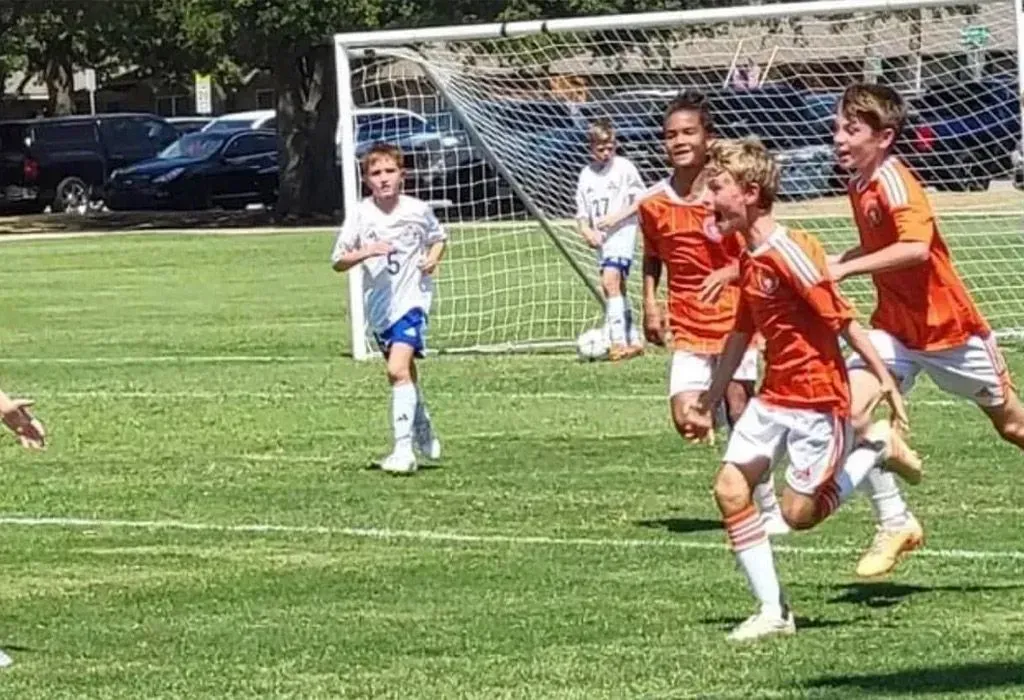
Players transition from 7v7 to 9v9 at U11/U12, eventually stepping onto the full-sized 11v11 field by U13. Training focuses heavily on spatial awareness, body shape when receiving, passing angles, and coordinated movement off the ball. Through the squad system, players learn how individual roles fit together across dynamic game situations, setting the stage for high-level competitive play.
Senior Phase: U15 to U19
The Senior Phase prepares athletes for the demands of high-level competition, high school varsity squads, and collegiate or adult pathways. Training sessions in this phase replicate high-tempo game conditions, focusing on tactical nuance, positional mastery, transition speed, and match management.
Athletes also refine their physical conditioning, injury prevention habits, and mental resilience. Players at this stage learn to analyze match patterns, execute specific game plans, and take full ownership of their athletic performance and leadership responsibilities on and off the field.
Team Structure, Rosters, and League Divisions
A well-structured competitive club balances matchday competitiveness with meaningful player development. Team sizes and roster limits are carefully planned to ensure healthy internal competition while protecting individual match minutes.
| Game Format | Age Groups | Standard Field Size | Minimum Roster Size | Recommended Match Roster |
|---|---|---|---|---|
| 7v7 | U8 – U10 | Small-Sided (approx. 47x30 yds) | 10 Players | 10 – 12 Players |
| 9v9 | U11 – U12 | Intermediate (approx. 75x47 yds) | 12 Players | 12 – 14 Players |
| 11v11 | U13 – U19 | Full Size (approx. 112x70 yds) | 14 Players | 16 – 18 Players |
Game Formats and Minimum Roster Sizes
Roster limits serve an essential developmental purpose. Small-sided games require minimum roster thresholds—10 players for 7v7, 12 for 9v9, and 14 for 11v11—to guarantee that teams can field full squads throughout long tournament weekends and seasonal match schedules.
Keeping rosters close to these healthy baselines prevents the bench from becoming overcrowded. Understanding youth soccer playing time is critical for families; development happens through active minutes on the pitch, not by watching from the sidelines.
League Tiers and Competitive Level Placement
Competitive leagues typically organize teams into distinct competitive flights—often categorized as Premier, Gold, Silver, and Bronze/Copper. These tiers help match teams against opponents of comparable technical and tactical ability.
Placement policies allow squads to earn promotion or adjust flights between seasons. This structure ensures games remain challenging without becoming discouraging, giving young athletes a balanced environment where they can test their abilities against quality opposition.
Player Evaluation and Recruitment in Competitive Youth Soccer
Selecting a competitive club should be an intentional, transparent process centered on what is best for the child.

Families looking for a youth soccer academy near me often find that traditional high-pressure tryouts offer only a narrow glimpse into a child's true potential.
Tryout Alternatives and Assessment Methods
High-stress, single-day tryouts can cause unnecessary anxiety for young players, often rewarding raw physical size over technical intelligence. A continuous assessment model provides a refreshing, parent-friendly alternative.
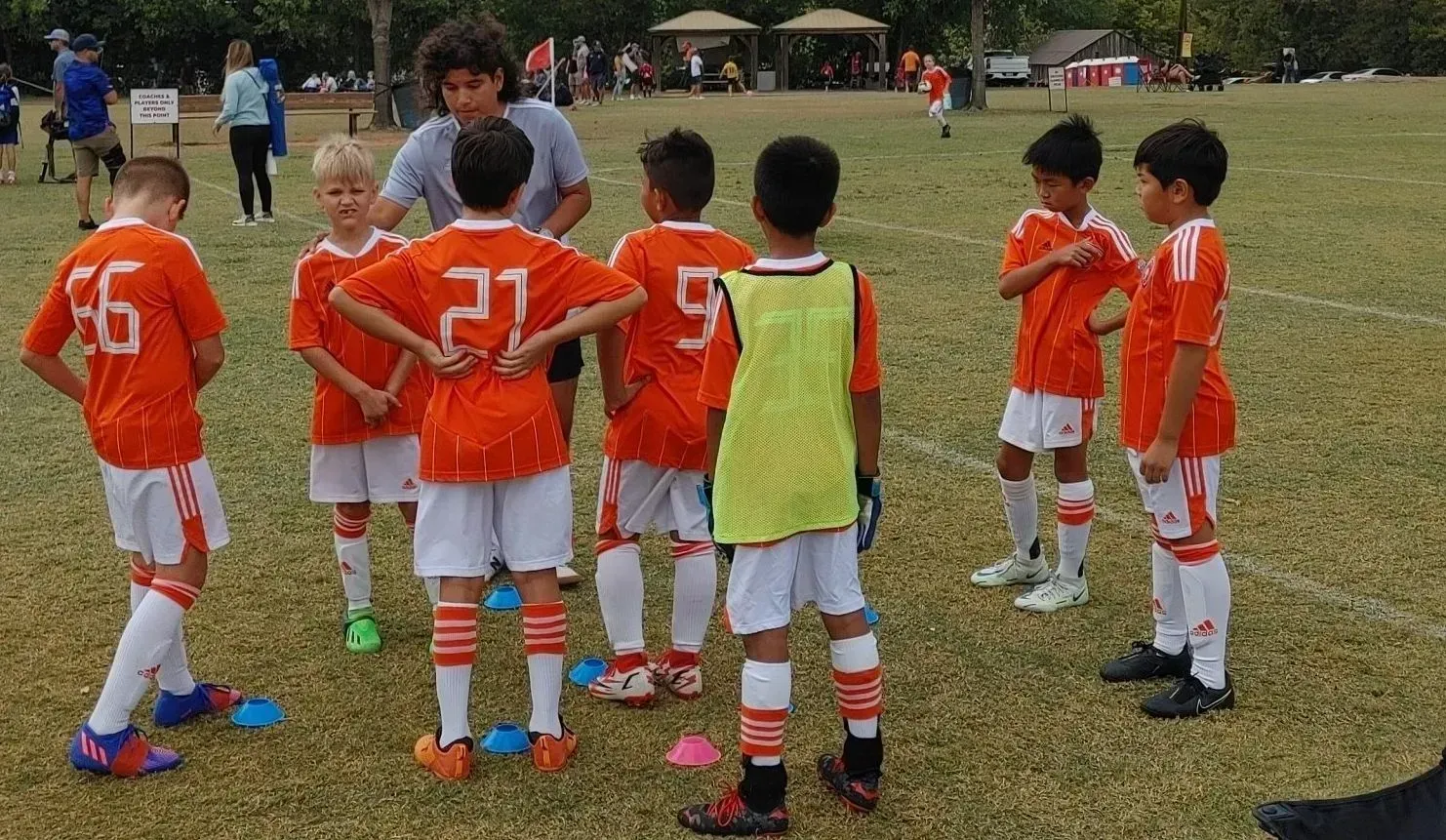
Evaluating players over several regular training sessions allows licensed coaches to assess:
- Technical floor and ceiling: Ball control, first touch, and passing accuracy under varying pressure.
- Coachability: How well a player listens, applies tactical feedback, and adapts during drills.
- Social dynamics: Teamwork, communication, and interaction with teammates during game-like scenarios.
- Work ethic and resilience: Body language and effort following mistakes or challenging moments.
Coaching Qualifications and Licensing Standards
The quality of an athlete's development is directly tied to the quality of their instruction. Competitive coaches should hold recognized U.S. Soccer Grassroots licenses or higher, along with continuous professional education.
Ongoing coach education ensures instructors use modern training methodologies, positive reinforcement strategies, and age-appropriate physical loads that protect young athletes from burnout and injury.
Family Expectations: Time Commitment, Costs, and Culture
Committing to a competitive club is a family decision that requires dedicated time, effort, and clear communication.
A healthy club culture prioritizes character and skill development over short-term match results. Understanding the debate surrounding results vs performance helps parents focus on long-term growth rather than chasing quick wins at the expense of player development. Our club philosophy centers on low-cost, high-value training rooted in the Dutch Total Football style, ensuring families get exceptional developmental value.
Balancing Schedule and School Demands
A typical competitive youth soccer schedule involves:
- Training: Two to three 75- to 90-minute training sessions per week.
- League Matches: One to two games on weekends during fall and spring seasons.
- Tournaments: Two to four weekend tournaments per year, primarily regional events across North Texas.
Balancing these commitments with school demands requires strong time-management skills. Successful families establish clear homework routines and maintain open lines of communication with coaches to accommodate academic responsibilities, family commitments, and multi-sport participation.
Finding the Right Competitive Youth Soccer Environment
Every club has its own distinct culture. When evaluating prospective teams, parents should look beyond trophy cases and assess how coaches treat players during difficult moments.
Our core culture values focus on mutual respect, personal accountability, and positive reinforcement. Understanding club policies regarding playing time in club soccer ensures families enter the season with clear expectations about player development and game-day participation across all age groups.
Frequently Asked Questions About Competitive Youth Soccer
What is the typical weekly time commitment for competitive youth soccer?
Most competitive youth soccer teams train 2 to 3 times per week for about 75 to 90 minutes per session. Weekend games usually add 3 to 4 hours, including warm-ups and travel. During tournament weekends, teams may play multiple matches across Saturday and Sunday.
How do clubs determine the right developmental phase for a player?
Clubs evaluate birth year guidelines alongside technical ability, tactical understanding, and physical maturity. Continuous assessments help coaches place players in the phase (Foundation, Development, or Senior) and league flight where they will be appropriately challenged.
Are there hidden fees parents should watch for in club soccer?
Families should always ask for an all-inclusive cost breakdown before committing. Potential extra fees can include tournament registrations, coach travel expenses, mandatory uniform kits, and specialized clinic costs. Reviewing available programs helps ensure full financial transparency throughout the season.
Conclusion
Finding the right competitive soccer environment allows young athletes to build technical skill, tactical intelligence, and lifelong character. By understanding development pathways, game formats, and club expectations, North Texas families can make confident choices for their children's athletic journeys.
To learn more about our developmental teams, camps, and academy training in Frisco, explore Dutch FC today.